
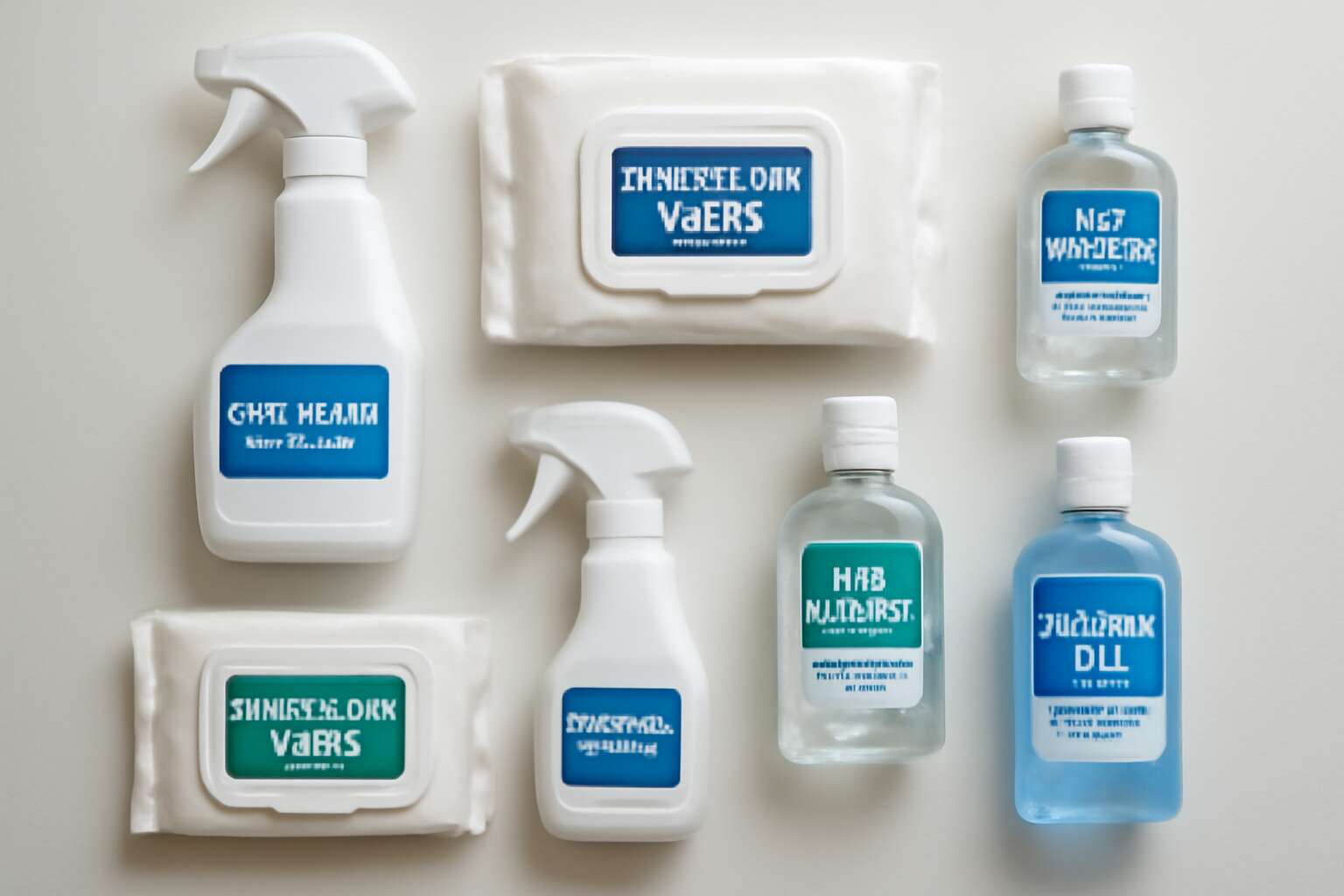
Overview of common disinfectants and how they work
Alcohol-based disinfectants
Disinfectants can cut the pathogen load on surfaces by up to 99.9% when used correctly. Understanding disinfectant choices helps offices, clinics, and homes in South Africa pick the right tool for the job!
Alcohol-based disinfectants act fast. Ethanol or isopropanol denature proteins and dissolve lipids, delivering rapid kill on non-porous surfaces. They work best with proper contact time and good ventilation, and they are generally unsuitable for porous materials. Note: alcohol-based options evaporate quickly, but can leave residues on some surfaces.
- Chlorine-based disinfectants
- Hydrogen peroxide-based disinfectants
- Quaternary ammonium compounds (quats)
- Peracetic acid-based formulations
These disinfectant types address most needs in SA, balancing safety, speed, and surface compatibility for everyday use.
Chlorine-based disinfectants
Chlorine-based disinfectants stand as a stern specter in the cleaning repertoire. Within the broader disinfectant types, they unleash rapid microbial knockdown on non-porous surfaces when used at the right dilution. Across South Africa, schools, clinics, and kitchens rely on this stalwart to curb pathogens.
Their active agents, typically sodium hypochlorite or calcium hypochlorite, oxidize cellular components and denature proteins, delivering fast inactivation of bacteria, viruses, and fungi. They work best on hard surfaces with adequate ventilation and a proper dwell time—usually a minute or two—before wiping or air-drying.
- Correct dilution and contact time
- Surface compatibility and rinsing for metal or rubber
- Ventilation and odor considerations in enclosed spaces
- Storage, handling, and safety precautions to avoid hazards
In the practical world of SA facilities, this class of disinfectants remains durable, but proper handling preserves surfaces and people alike.
Quaternary ammonium compounds
Quaternary ammonium compounds, or quats, drift through the cleaning ritual like velvet shadows. They are cationic surfactants that puncture membranes and denature proteins, delivering steady, spectral action against bacteria and enveloped viruses; spores remain stoic, reminding that no formula rules all.
In the lineage of disinfectant types, quats offer surface-friendly power on non-porous textures.
- Broad-spectrum activity against bacteria and enveloped viruses
- Low odor and surface compatibility
- Residual protection on many materials
Organic soil, hard water, and certain materials can dull their edge; avoid mixing with incompatible cleaners.
In South Africa’s schools, clinics, and kitchens, such disinfectant types lend a quiet protection, a gothic promise against creeping pathogens.
Hydrogen peroxide and peracetic acid
Disinfectant types shape the rhythm of a clean environment; surface pathogens retreat when the right choices are made. ‘Disinfection is a conversation between material, method, and moment,’ says a seasoned SA cleaner, and the balance often hinges on the spectrum and residue of the chemical in play. In public spaces and clinics across South Africa, the right disinfectant types turn a good routine into a robust shield.
Hydrogen peroxide acts as a potent oxidizer, breaking down microbes with relatively low residue and broad compatibility with many materials. I’ve seen peracetic acid act quickly in clinics, but its handling cannot be casual, and its stronger sporicidal punch comes with more corrosion risk and stricter ventilation requirements. For these disinfectant types, storage, dilution, and contact time matter.
- Mechanism: oxidative disruption of membranes and proteins
- Spectrum: bacteria, viruses, fungi, with enhanced spore activity at higher concentrations
- Material compatibility: varies by substrate; consult guidelines
Iodine and other halogens
Across busy South African clinics, safety hinges on disinfectant types that keep touchpoints clean without harming surfaces. A seasoned SA cleaner notes, ‘Disinfection is a conversation between material, method, and moment’—and halogens often provide the right reply. Iodine and halogen kin offer swift, broad-spectrum action when used with careful handling and respect for equipment and finishes.
Mechanism: oxidative disruption of membranes and proteins. Spectrum: bacteria, viruses, fungi; enhanced sporicidal activity at higher concentrations. Material compatibility: varies by substrate; consult guidelines to avoid stains or corrosion.
- Iodine and iodophors: rapid, broad-spectrum disinfection with careful residue management
- Other halogens: effective across varied settings but with stricter handling and ventilation considerations
Effectiveness and usage contexts for different disinfectants
Healthcare settings vs home use
Across South Africa’s hospital wards and modest homes alike, the unseen battle is decided by timing and touch. A single square centimeter can harbor a thousand whispers, and the right disinfectant types can quiet them—often by up to 99.9% when applied with care! In the shadowed corners of care, speed matters; in living rooms, safety matters more. The question is not whether to disinfect, but how.
In South Africa’s clinical spaces, rapid kill and surface compatibility guide choices; at home, gentleness and clear labeling shape every routine.
- Healthcare settings emphasize rapid kill without harming equipment or staff.
- Domestic environments favor lower risk and simple labeling for families with kids and pets.
- Public or shared spaces benefit from products with clear instructions and lower environmental impact.
In practice, the spectrum of disinfectant types mirrors a stage where soil and surface meet, and dwell time choreographs the performance.
Target pathogens: bacteria, viruses, fungi
Disinfectant types illuminate the crossroad where science meets daily life. Bacteria, viruses, and fungi each respond differently, so effectiveness hinges on choosing products whose spectrum matches the target pathogen and the surface. In practice, fast-acting formulations win in clinical spaces; gentler choices with clear labeling comfort households with children and pets. In South Africa, this balance plays out between speed and safety as different disinfectant types address distinct targets.
- Hospitals and clinics demand broad, rapid action against bacteria and viruses while remaining safe for equipment and staff.
- Homes with kids and pets favor clear labeling and formulations that are gentle on surfaces and skin.
- Public spaces benefit from straightforward instructions and a lighter environmental footprint.
The dialogue between pathogen, surface and dwell time remains the practical chorus behind every choice.
Optimal contact time and application methods
In South Africa’s clinics and kitchens, the clock drives safety. The right disinfectant types don’t just kill; they fit the daily rhythm, delivering rapid action and surfaces ready for the next task. The trick is pairing spectrum with the surface and the right dwell time.
Optimal contact time and application methods vary by setting. Keep surfaces visibly wet for the label’s dwell time in busy zones; for delicate materials, wipe gently and let air-dry. Choose a method that fits routine—spray-and-wipe, misting, or targeted dabs at touchpoints.
- Maintain a thin, even film; avoid pools that invite recontamination.
- Respect the dwell time stated on the label.
- Rinse or dry surfaces when required by the product and context.
Surface compatibility and material safety
A provocative truth about disinfectant types: effectiveness isn’t just about killer power, but about fit. In South Africa’s clinics and kitchens, the right match between surface and formula turns cleaning into quiet, kinetic safety—rapid action that keeps cycles moving and spaces ready for the next task!
Surface compatibility and material safety guide the choice. Some formulations can corrode metal, dull finishes, or etch stone. When a product aligns with the surface family, it preserves integrity and performance across everyday touchpoints.
- Stainless steel, glass, and non-porous plastics
- Natural stone and timber surfaces
- Rubber seals and coated metals
Contexts vary widely: healthcare settings demand gentler yet robust options, while kitchens look for fast-drying versatility that respects food-contact zones.
Safety, handling, and regulatory considerations for disinfectants
Personal protective equipment and ventilation
Disinfectants are the quiet ambassadors of daily life, and safety is their passport. “Disinfectants are the quiet ambassadors of daily life,” a witty colleague once quipped, and they reward vigilance with fewer unwelcome guests. In South Africa, choosing among disinfectant types means weighing safety, efficacy, and the spaces you steward.
To keep people and surfaces uncompromised, here are the PPE essentials—simple, sensible, non-negotiable:
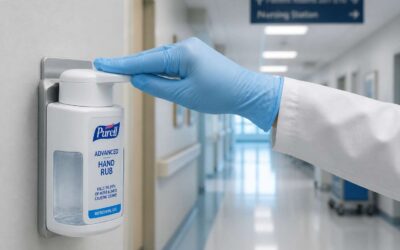
- Appropriate gloves (nitrile or latex) resistant to the product
- Goggles or face shield to protect eyes
- Protective lab coat or apron and sturdy footwear
- Ventilation considerations, and where required, a suitable respirator
Regulatory considerations linger like a proper etiquette observer: labels must reflect ingredients, hazard statements, and safe storage; in South Africa, disinfectants are governed by the Department of Health and SABS guidelines to protect workers and the public.
Labeling, storage, and expiry
In South Africa, regulatory clarity makes labeling and shelf-life non-negotiable. The right tag saves time, protects users, and preserves efficacy across disinfectant types. Labels must reflect ingredients, hazard statements, and safe storage, while storage considerations ensure containers remain intact and results stay reliable in daily life and professional settings.
- Labeling: ingredients, hazard statements, and safe storage, with batch numbers and expiry if provided by the manufacturer.
- Storage: original containers, appropriate environmental controls, and segregation from incompatible products to maintain stability.
- Expiry: current dates, post-opening shelf-life considerations, and routine stock rotation to minimize wasted products.
These regulatory frameworks empower workplaces and homes to uphold the integrity without compromising safety across surfaces and spaces.
Regulatory standards and approvals (EPA, CDC, WHO)
Disinfection is a choreography of trust, not a toggle. “Safety is a choreography, not a checkbox,” a seasoned QA lead told me, and that line lands hard in my daily operations. In South Africa, regulatory clarity makes compliance non-negotiable, anchoring how products prove their worth and how workplaces audit efficacy.
Disinfectant types must align with global standards, and understanding this category within the regulatory framework helps facilities navigate claims and efficacy. Regulatory standards and approvals (EPA, CDC, WHO) set the bar for what is marketed as effective.
- EPA registration and labeling
- CDC/WHO guidance alignment
- Hazard statements and batch traceability
- Post-market surveillance and expiry integration
Beyond compliance, the human factor—training, documentation, and a culture of caution—extends the safety net across spaces. I feel that every container carries that weight, a reminder that trust is earned, not assumed.
Stability and shelf life
Safety is a choreography, not a checkbox—that conviction guides every bottle in our lab and on the floor. When we talk about stability and shelf life, we’re not chasing a date stamp; we’re assessing how the product holds under light, heat, and varying temperatures common in South African facilities. Disinfectant types must endure these conditions without losing potency or reacting with packaging. A misstep here isn’t just faded efficacy; it undermines regulatory confidence and traceability. A delicate balance exists between formulation, container compatibility, and label clarity, all monitored through post-market surveillance and batch documentation. I feel the weight of every batch in the stack!
- Storage conditions and light exposure
- Container compatibility and packaging integrity
- Batch traceability and regulatory documentation
In South Africa, regulators expect that stability and shelf life anchor every product’s story, with clear records and cautious handling becoming the norm.
Environmental impact and disposal of disinfectants
Waste management and runoff considerations
Every bottle of disinfectant types leaves a footprint. In South Africa, runoff from facilities can carry residues into rivers and soils, challenging local ecosystems and water quality. We aim for cleaning power with stewardship.
Disposal decisions impact soil biology, groundwater, and aquatic life. Some disinfectants persist or form hazardous byproducts; others break down more readily but still require containment and proper waste streams. We design around these realities to protect people and the places we rely on daily.
- Persistence and breakdown products shaping environmental risk
- Aquatic toxicity and soil interactions that influence runoff behavior
- Stormwater and drainage pathways that determine where residues travel
That awareness informs our approach to selecting disinfectant types for safe, effective cleaning.
Biodegradability and eco-toxicity
“What we wash away today stays with us tomorrow,” a researcher notes, and it sticks as a reminder in South Africa when we consider disinfectant types and their unseen footprints. In practice, environmental impact guides how we choose cleaners that protect people and rivers alike.
Biodegradability and eco-toxicity shape disposal outcomes. Some compounds break down quickly in soil or water, leaving fewer hazards, while others linger or form byproducts that stress aquatic life and soil biology. Stormwater pathways can carry residues far from their origin, underscoring the need for thoughtful containment.
Key environmental considerations include:
- Biodegradability varies across disinfectant types
- Eco-toxicity to aquatic and soil organisms
- Formation of hazardous byproducts under certain conditions
Balancing cleaning power with stewardship remains the north star of responsible disinfection choices.
Disposal regulations by region or country
Environmental impact and disposal ripple through every disinfectant choice, a shockwave that follows through the years. Among the disinfectant types, the rivers remember what passes through drains and sewers, so regulations steer which residues can enter stormwater and wastewater systems. The footprint extends beyond the bottle—bioaccumulation, eco-toxicity, and regulations shape the lifecycle from use to disposal, long after the surface looks clean.
- South Africa: NEM:WA and municipal waste rules guide hazardous residues and wastewater handling.
- European Union/UK: product stewardship, water protection standards, and regional waste directives.
- United States: RCRA hazardous waste management and spill-response requirements.
Disposal regulations by region or country shape the environmental outcomes of every choice.
Green disinfectant options and alternatives
Across households and workplaces, disinfectant types shape more than cleanliness. The unseen cost travels through packaging, energy, and end-of-life disposal. Waterways remember what passes through drains, so every bottle deserves scrutiny well beyond its label!
Green disinfectant options and alternatives offer a gentler footprint. Here are a few practical directions:
- Plant-based, rapidly biodegradable surfactants for reduced persistence
- Enzymatic cleaners that tackle organic matter with lower eco-toxicity
- Refillable packaging and recyclable containers to cut plastic waste
In South Africa, disposal regulations guide how residues and containers are treated after use, keeping runoff and stormwater impacts in check. The flow of responsibility—from production to disposal—defines the true footprint of these products.
Choosing the right disinfectant for your space
Assess contamination risk and surface type
Choosing the right disinfectant types for your space hinges on more than price or scent. It’s a risk-aware art that reads the room, the foot traffic, and the hidden corners where microbes lurk. In South Africa, surfaces range from stainless steel to timber, so the best choice respects both contamination risk and surface intricacies. The stakes are real: a single misstep can ripple through a space.
To align the choice with reality, consider these guiding factors:
- Level of contamination risk and occupancy patterns
- Surface material durability and finish sensitivity
- Storage and handling safety in your locale
This balance turns sanitation from guesswork into measured certainty, a quiet shield over offices, clinics, and homes in SA. A careful pick can make a room feel safer instantly!
Cost, availability, and supplier considerations
Cost, availability, and supplier reliability shape the disinfectant choice for South Africa’s spaces. The right fit isn’t just about the sticker price; it’s about dependable stock, local support, and proven performance across popular surfaces. Choosing among disinfectant types is a strategic move that keeps offices, clinics, and homes resilient in a bustling market.
- Local supplier networks and stock turnover
- Delivery lead times and bulk discount opportunities
- Clear labeling, expiry visibility, and regulatory compliance
Seek partners with transparent documentation and SA-focused recommendations to minimize disruption and keep environments compliant and safe.
Disinfection strategies: single-step vs multi-step
In the bustle of South Africa’s spaces, the right disinfectant types aren’t decorative; they’re strategic. A nimble kit saves time, protects occupants, and keeps audits painless, not to mention reputations intact. One facilities manager quips, “the best product is the one that works when you actually need it.”
When choosing among disinfectant types, consider disinfection strategies: single-step versus multi-step. A concise, single-step approach uses a ready-to-use product that cleans and disinfects in one pass, ideal for low-risk areas. A multi-step regimen—clean, then disinfect, then dry or vent—offers a safety net for higher-traffic zones and clinical spaces.
- Single-step approach: one product that handles cleaning and disinfection in a single pass.
- Multi-step approach: pre-clean, apply the disinfectant with proper contact time, and ensure drying before use.
These choices should align with surface type, airflow, and staff routines to minimize disruption while maintaining compliance and confidence.
Common mistakes to avoid
Across South Africa’s facilities, audits creep closer than coffee breaks, and missteps with disinfectant types sting more than a long Monday. A recent survey found that 40% of re-audits stem from disorganization rather than chemistry alone. Choosing wisely isn’t decorative; it’s strategic. By matching risk, foot traffic, and surface realities to the product family, you keep downtime down, occupants safer, and approvals flowing. The right disinfectant types can turn a bottleneck into a smooth, compliant routine.
- Relying on a single product for every surface and zone
- Ignoring label directions or expiry dates
- Skipping staff training or neglecting ventilation and storage guidelines
Understanding disinfectant types helps you design safer, compliant workflows in SA spaces. Read labels, test discreetly on inconspicuous patches, and rotate stock to avoid waste. A thoughtful approach keeps audits easy and reputations intact.
Combining sanitizers and disinfectants safely
Across SA facilities, a recent survey shows 40% of re-audits hinge on product choice rather than chemistry alone. Choosing the right disinfectant for your space isn’t decorative; it’s strategic. If you mix products without label guidance, you risk residues, unsafe chemistry, and costly downtime.
To pick the right disinfectant types for your space, start with the surface and traffic profile. For non-porous areas, fast-drying formulations keep cycles tight; for delicate finishes, gentler options are safer. Use a single disinfectant type when possible, and only combine sanitizers and disinfectants when the label allows. Read the directions, note contact times, and ensure ventilation. Careful selection keeps workflows smooth and approvals steady.

0 Comments