
Foundational Concepts and Quick Reference on Disinfectants and Antiseptics
Foundational Concepts
Foundational Concepts guide this field with a simple compass: disinfectants target inanimate surfaces, while antiseptics are formulated for living tissue. In South Africa’s clinics and kitchens, that distinction isn’t academic—it’s practical, affecting safety and hygiene standards. The idea of disinfectant vs antiseptic examples helps readers see when to apply each type and why one product won’t substitute for the other.
- Disinfectants: applied to surfaces, aim to kill or inactivate microbes, not for skin contact.
- Antiseptics: safe on skin and mucous membranes, used to reduce microbial load on living tissue.
- Contexts: hospitals, kitchens, and industrial facilities vs personal care and wound care (non-wound).
- Common examples: quats, alcohols, iodine-based products, and peroxide formulations.
Beyond labels, the science rests on concentration, contact time, and safety profiles—nuances that savvy professionals weigh before selecting a product in any setting in SA.
Practical Disinfectant Examples
Shaped by real-world pressure, safety hinges on choosing the right product, not just more effort. In South Africa’s clinics and kitchens, the difference between clean and contaminated is tangible.
Foundational concepts guide decisions, and the idea of disinfectant vs antiseptic examples helps teams distinguish whether a product should touch skin, wounds, or surfaces. The quick reference below clarifies when each category is appropriate in SA settings.
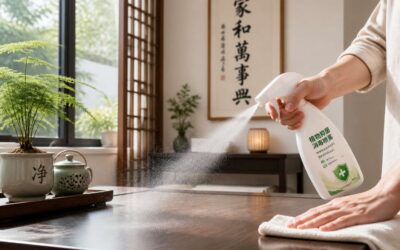
Practical disinfectant examples you’ll encounter daily include the following (on surfaces, never on skin unless labeled for contact):
- Benzalkonium chloride (quats) for general surface disinfection
- Alcohol-based solutions (ethanol or isopropanol) for fast surface microbe reduction
- Iodine-based surface disinfectants (phenolic/iodine blends) for challenging residues
- Hydrogen peroxide-based formulations for broad-spectrum surface decontamination
These examples hinge on concentration, contact time, and safety profiles—nuances professionals weigh when selecting options in SA, ensuring the product’s purpose matches the setting.
Antiseptic Examples and Applications
In clinics and kitchens across South Africa, a single bottle on the shelf can decide the day. “Clean isn’t enough—right product, right task,” a nurse once told me, and that truth still guides how we work.
Foundational concepts shape every decision, and a quick reference on disinfectant vs antiseptic examples helps teams decide whether a product should touch skin or stay on surfaces. This distinction lands squarely in SA settings where safety and service walk hand in hand.
Antiseptic examples include:
- Chlorhexidine antiseptics
- Povidone-iodine solutions
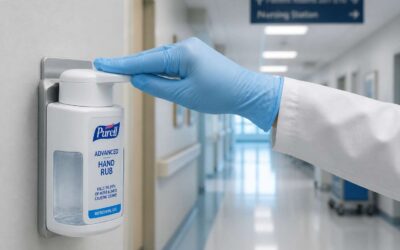
- Alcohol-based hand rubs
Decision-Making for Use and Safety
In South Africa, a single bottle on the shelf can shape a day in clinics and kitchens alike. “Clean isn’t enough—right product, right task,” a nurse told me, and that truth still guides how we work.
Foundational concepts frame every choice. A quick reference on disinfectant vs antiseptic examples helps teams decide whether a product should touch skin or stay on surfaces, a distinction that matters in SA settings where safety and service walk hand in hand.
Here are quick considerations:
- Skin-contact products aim for low irritation and fast effect
- Surface cleaners emphasize residue control and material compatibility
- Documentation ensures safety and regulatory clarity
That balance keeps care steady and service reliable across South Africa’s facilities.

0 Comments