
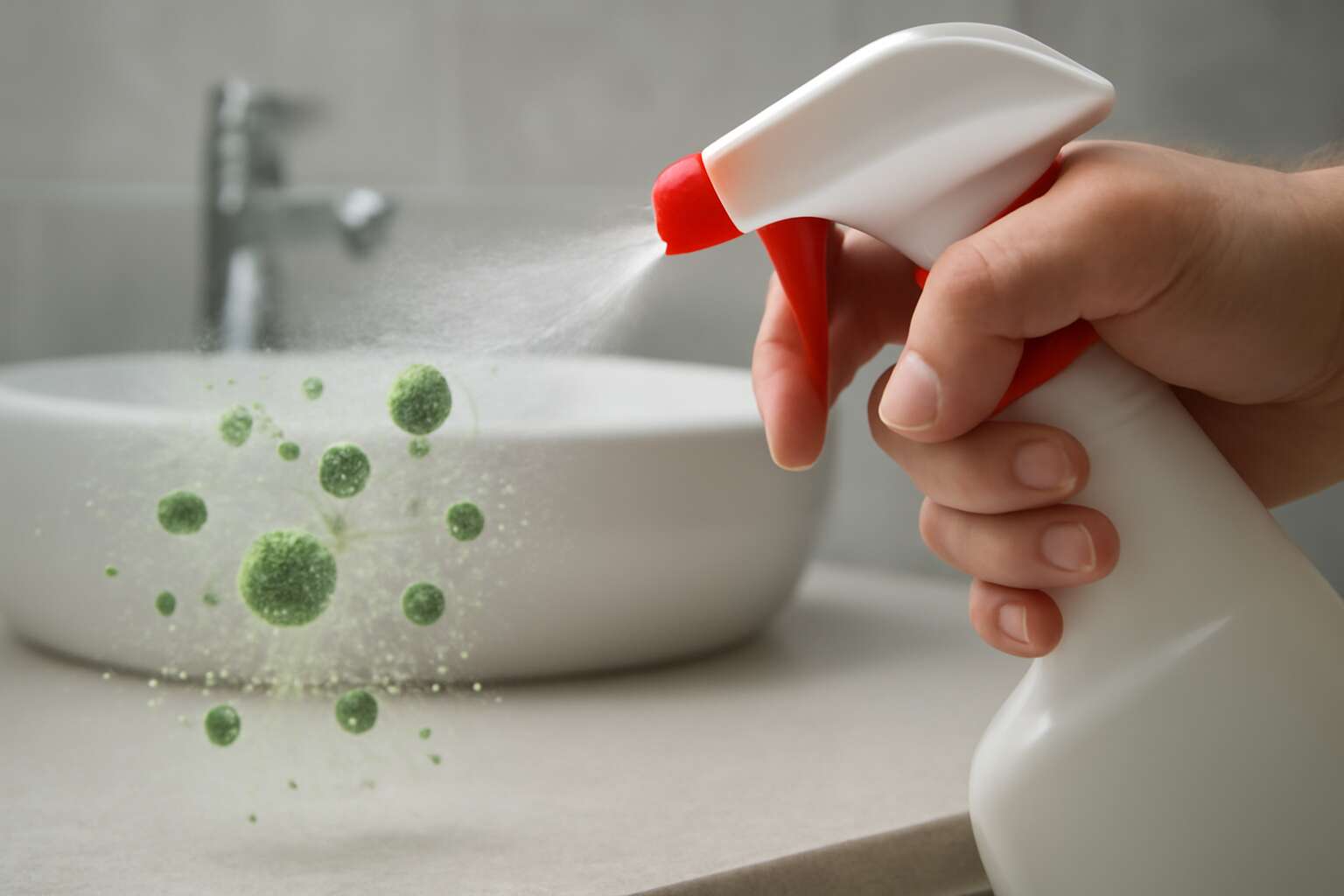
C. diff disinfection overview
Understanding C. diff spores and transmission
A stubborn truth about C. diff: spores cling to surfaces for months, turning a tidy room into a quiet risk. In South Africa’s clinics and hospitals, that persistence makes cleanliness more than etiquette—it’s patient safety wearing a lab coat.
Understanding C. diff spores and transmission is practical, not arcane. Spores hitch rides on hands, gowns, and equipment, waiting for a lapse in hygiene to scatter. This is why readers often query what disinfectants kill c diff; the reliable answers point to sporicidal products and surfaces that resist ordinary cleaners.
- Hard, nonporous surfaces
- Medical devices and fixtures
- Textiles and clothing
Policy and practice must rise to meet the stubborn biology of spores, balancing rigor with realism and a touch of South African pragmatism.
Why spores make disinfection challenging
“Spores don’t take a coffee break,” says a veteran SA microbiologist, scanning a ward with wary optimism. They cling to surfaces for months, turning a clean room into a quiet risk. C. diff disinfection is a realism test—rigor that matches biology, not romance, and it begins with deliberate choices.
So, what disinfectants kill c diff? The short answer is: rely on sporicidal formulations—hydrogen peroxide or peracetic acid systems, and chlorine-releasing products—applied exactly as the label directs.
Good practice hinges on more than the product. Correct dwell time, proper dilution, and attention to high‑touch zones are essential in South Africa’s clinics, where practicality meets patient safety in everyday cleaning rituals.
- Door handles and call bells
- Bed rails and over-bed tables
- Medical trolleys and keyboards
Disinfectant terminology: sporicidal vs. non-sporicidal
Across South Africa’s clinics, C. diff spores cling to surfaces long after a room seems clean. The question that clinics keep circling is: what disinfectants kill c diff? Understanding disinfectant terminology helps cut through the noise. Sporicidal vs. non-sporicidal labels aren’t ornamental; they signal whether a product can inactivate hardy spores as well as typical pathogens. Sporicidal products actively disrupt spores, demanding precise contact times and concentrations. Non-sporicidal formulations reduce surface bioburden but may leave spores intact. This is the practical lens through which cleaning protocols are judged: the biology doesn’t care about bravado, only about effective chemistry and faithful label use.
Because labels tell the story, teams in South Africa’s clinics align with two families of products:
- Sporicidal formulations: hydrogen peroxide systems, peracetic acid systems, chlorine-releasing compounds
- Non-sporicidal formulations: many quats and alcohol-based products
In practice, the category matters, but execution—consistent dwell times and complete coverage—keeps surfaces safer.
What to expect from product labels for C. diff efficacy
Clean rooms can still carry stealthy enemies. C. diff spores cling to floors and doorframes long after the surface looks tidy. When evaluating what disinfectants kill c diff, expect labels to spell out the real story: spore-related efficacy, required dwell times, and any concentration or dilution steps. The label is not decoration; it encodes what the chemistry can actually achieve, and how faithfully the protocol must be followed!
Look for these essentials on the label:
- Target claim: sporicidal or non-sporicidal (and the exact organism or spores tested)
- Contact time and required concentration
- Surface compatibility, safe handling, and first-use notice
Across South Africa’s clinics, clear labels help cleaning teams apply products correctly, leaving guesswork out of disinfection.
Sporicidal disinfectants and their efficacy against C. diff
EPA-registered sporicidal products and efficacy data
Surface drama plays out in hospitals and homes: C. diff spores can cling for months, turning routine cleaning into a suspenseful ordeal. Sporicidal disinfectants—especially EPA-registered products—are engineered to outwit stubborn spores. In lab tests, these agents often yield 4 to 6 log reductions in spore counts when used as directed.
Consider these sporicide classes, backed by efficacy data:
- Hydrogen peroxide–based sporicides
- Peracetic acid–based sporicides
- Chlorine dioxide–based sporicides
- Sodium hypochlorite (bleach)–based sporicides
To answer what disinfectants kill c diff, rely on EPA-registered sporicidal products and their published efficacy data. In South Africa, these claims guide decisions in healthcare and public environments seeking to curb spore transmission without compromising safety.
Chlorine-based cleaners vs hydrogen peroxide vs quaternary ammonium compounds
Across hospitals and clinics, C. diff spores cling to surfaces for months, turning routine cleaning into a suspenseful ritual. In practice, what disinfectants kill c diff is answered by EPA-registered sporicidal products—hydrogen peroxide–based, peracetic acid–based, chlorine dioxide–based, and sodium hypochlorite–based formulations—delivering measurable reductions when used as directed.
To compare common families, consider these contrasts:
- Chlorine-based cleaners (sodium hypochlorite) offer strong sporicidal action but can be harsh on surfaces and fumes; ensure adequate contact time.
- Hydrogen peroxide–based sporicides act quickly with low residue, but material compatibility and cost matter.
- Quaternary ammonium compounds (quats) are common cleaners but not reliably sporicidal against C. diff when used alone; many products rely on additional sporicidal cues.
In South Africa, selecting the right sporicide means balancing efficacy data with surface realities and safety constraints.
Contact time, concentration, and surface prep for best results
In South Africa’s clinical rooms, C. diff spores cling like stubborn embers, surviving on surfaces for months. If you wonder what disinfectants kill c diff, the answer rests with EPA-registered sporicidal formulations and faithful, label-guided use. These agents are the keystone in the quiet war against resilient spores.
- Contact time matters: dwell time on surfaces is a hinge of efficacy, not a quick wipe.
- Concentration: correct dilution frames sporicidal impact as products meet their designed punch.
- Surface prep: cleaning soils first helps the disinfectant reach its intended target.
Across facilities, choosing a regimen means weighing surface realities, safety, and regulatory data. I’ve seen how sporicidal selection plays out in real wards, where outcomes hinge on measured application and enduring stewardship.
Cost, availability, and safety considerations for healthcare and home use
Sporicidal cleaners aren’t optional trivia; they’re the quiet force against C. diff spores that cling to hospital and home surfaces. If you’re asking what disinfectants kill c diff, the answer leans on EPA-registered sporicidal products and disciplined label use—it’s the keystone in infection-control chess.
Cost, availability, and safety shape choices. In South Africa, facilities weigh price-per-liter, shelf life, and supplier reliability, then balance it against the product’s environmental footprint and staff safety profile.
- Cost-effectiveness over time for high-use areas
- Supply chain reliability and SA regulatory approvals
- Safety profile for staff and patients, including residue and ventilation considerations
For homes, the same rules apply: stick to EPA-registered sporicidals and read labels—the rest is management, not magic.
Best practices for disinfecting spaces where C. diff may be present
Step-by-step cleaning protocol for rooms and equipment
From ward to waiting room, what disinfectants kill c diff is a headline that saves lives. In South Africa’s clinics and homes, spores demand respect, not bravado. Best practices blend science with practicality, keeping staff safe while turning suspect spaces into sanctuaries once more.
- Plan and prepare—define rooms and equipment at risk and assign responsibility.
- Choose a product with proven sporicidal efficacy and use it per the label, prioritizing full coverage.
- Ensure surfaces stay visibly wet for the indicated duration and address high-touch areas.
- Conclude with drying, re-entry guidelines, and timely documentation of the process.
Consistency matters across SA facilities and households; this approach helps infection control stay practical and memorable.
Pre-cleaning vs disinfecting: why both matter
Spaces where C. diff lurks demand more than a quick wipe; they require a paired ritual of pre-cleaning and disinfection. Pre-cleaning removes the organic matter that shields spores, letting powerful products do their work. Understanding what disinfectants kill c diff helps infection teams choreograph a safer, steadier response in clinics and homes across SA.
- Remove visible soil and organic matter
- Pre-clean with a detergent to lift residues
- Clear clutter and check high-touch surfaces
Disinfecting then follows, with a product proven to be sporicidal and applied per label, ensuring surfaces stay visibly wet for the indicated contact time. This sequence—pre-clean, disinfect, dry and re-enter—keeps spaces safer and easier to restore to use. The best results unite science with practicality across SA clinics and homes.
Green vs traditional disinfectants: trade-offs
In South Africa’s hospital corridors, C. diff spores linger like a midnight fog. They endure the casual wipe, turning ordinary rooms into stubborn monuments. “Disinfection is a vow, not a gesture!” a veteran infection-control nurse told me, and I felt the truth settle like dust on a windowpane.
Best practices for disinfecting spaces where C. diff may be present hinge on a careful choice between green and traditional options. Green disinfectants reduce toxicity and environmental impact, but may trade rapid, broad-spectrum activity. So, what disinfectants kill c diff matters—choose products with explicit sporicidal claims and long-lasting efficacy, and fit them to the setting.
- Green options: lower toxicity and safer for staff, but may require longer contact times
- Traditional sporicidal products: strong on spores, faster results, yet harsher on surfaces and lungs
Verification methods: verifying contact time and coverage
Best practices for disinfecting spaces where C. diff may be present require more than routine cleaning; they demand measured, unmistakable proof. When considering what disinfectants kill c diff, prioritise products with explicit sporicidal claims and clear contact-time guidance. Begin with thorough pre-cleaning, then apply evenly to high-touch surfaces—doors, rails, and equipment—so the sporicidal action has a real chance to work!
In South Africa’s healthcare settings, verification methods are the compass that keeps practice honest. A simple checklist and on-site observation confirm both contact time and coverage.
- Contact time verification
- Coverage verification across surfaces
- Documentation and traceability of results
Without this discipline, even the strongest products fall short.
Guidelines and regulatory recommendations
CDC, EPA, and WHO guidance on C. diff disinfection
In healthcare settings, a clean room is a living promise!
Guidelines from the CDC, EPA, and WHO anchor decisions about what disinfectants kill c diff in solid science and patient safety. The CDC promotes EPA-registered products with explicit C. diff sporicidal claims and clear labeling. The EPA maintains a list of products proven effective against C. difficile and requires accurate directions. WHO emphasizes comprehensive environmental cleaning with proven sporicidal agents and practical procedures that protect staff and patients.
When clinicians ask “what disinfectants kill c diff”, they are seeking certainty about efficacy and safety.
- EPA-registered sporicidal products with C. diff claims
- Clear, label-supported instructions and proper product application
These guidelines inform procurement, training, and monitoring across South Africa’s healthcare facilities, aligning with global best practices.
Hospital-grade cleaning standards and isolation procedures
In South Africa’s hospitals, infection-control decisions hinge on global guidance. The CDC, EPA, and WHO anchor procurement, training, and audits, turning every cleaning shift into a quiet relay race against stubborn spores!
When clinicians ask what disinfectants kill c diff, the answer rests on EPA-registered sporicidal products with clear labels and robust efficacy data. WHO guidance adds practical steps for comprehensive environmental cleaning that protect both staff and patients.
Hospital-grade cleaning standards and isolation procedures flow from these directives. A program typically centers on EPA-registered sporicidal products with clear C. diff claims and strict cleaning workflows.
- EPA-registered sporicidal products with C. diff claims
- Clear, label-supported instructions and proper product application
- Regular verification of contact time and coverage
In the South African context, procurement, training, and auditing align with global best practices while respecting local supply chains and safety considerations.
Household guidelines for suspected exposure
In South Africa, infection-control decisions move through dim hospital corridors and the quiet caution of homes facing suspected exposure. “A single surface can harbor spores for weeks,” infection-control lore, and the question what disinfectants kill c diff sits at the center of procurement, training, and audits, anchored by EPA-registered sporicidal products with clear C. diff claims and by WHO guidance that translates global standards into local practice.
Household guidelines for suspected exposure align with regulatory recommendations—choose products with explicit C. diff efficacy, heed label guidance, and rely on authority-backed cleaning practices supported by SA health authorities.
- Regulatory alignment: EPA-registered sporicidal products with C. diff claims
- Label-supported usage and safety data
- Audits and verification of product performance
In this way, local supply chains meet global expectations, keeping the shadows of spores at bay.
Documentation and updating protocols based on outbreaks
In outbreak seasons, guidelines breathe on the margins of hospital corridors and homesteads, turning chaos into checked data. Documentation and updating protocols based on outbreaks are not footnotes; they are the spine of infection control in South Africa.
Guidelines and regulatory recommendations hinge on clear governance: how updates are approved, what data trigger changes, and how supplier claims are verified. The central question—what disinfectants kill c diff—drives the need for transparent audit trails that align with SA health authorities and WHO guidance, translating global standards into local practice.
Key documentation elements include:
- scope, roles, and accountability
- version history and change logs
- outbreak triggers and review cadence
- vendor claims verification and regulatory alignment
Outbreaks rewrite protocols in real time, with audits, training updates, and governance sign-offs ensuring resilience.
Choosing the right disinfectant for C. diff prevention and control
Assess your setting: healthcare, long-term care, or home
Disinfectants that actually beat C. diff aren’t myths, they’re logistics. In South Africa’s healthcare landscape, the question ‘what disinfectants kill c diff’ isn’t a party trick—it’s patient protection in real time! Spores don’t surrender easily, and I’ve seen that with the right evidence, they don’t stand a chance.
Choosing the right product starts with your setting: healthcare, long-term care, or home. Look for EPA-registered sporicidal products and efficacy data, and align with guidance from CDC, EPA, and WHO. Surface compatibility and safety notes belong in the conversation too, not on a post-it.
- Setting and staff safety
- Surface compatibility
- Proven sporicidal efficacy
- Availability and cost
That combination helps clinics stay ahead of outbreaks without breaking the bank, and keeps patients breathing easier.
Interpreting labels: sporicidal claims, contact time, dilution
Spores are stubborn houseguests; they linger long after the mop has left the room. In SA clinics, choosing the right disinfectant isn’t a luxury—it’s patient protection in disguise.
If you’re asking what disinfectants kill c diff, read labels with a skeptic’s eye: look for sporicidal claims supported by independent efficacy data and EPA registration.
Interpret contact time, dilution, and surface prep as the rule of engagement. Some products flaunt sporicidal status but demand impractical contact times or high concentrations.
Rely on EPA-registered products with clear efficacy data and align with CDC, EPA, and WHO guidance. Surface compatibility and safety notes belong in the conversation.
In South Africa’s healthcare landscape, availability and cost matter; choose options that balance efficacy with practicality.
Product safety and storage considerations
In South Africa’s clinics, a properly stored disinfectant can tilt the balance against stubborn spores—recent data show proper storage and handling can reduce surface contamination by as much as 30%.
When asking what disinfectants kill c diff, look for EPA-registered products with sporicidal claims and independent efficacy data. Read the label for contact time, dilution, and surface prep; some products promise victory but demand impractical steps.
Product safety and storage are non-negotiable. Safe storage starts at the shelf: keep containers tightly closed, away from heat and sunlight, and monitor expiry dates. For quick checks, consider these guidelines:
- Maintain the original container with intact labeling.
- Keep out of reach of unauthorized personnel and avoid cross-contamination.
- Track batch numbers and expiry dates; rotate stock thoughtfully.
Staff training, auditing, and continuous improvement
Across South African clinics, disciplined staff training correlates with noticeably cleaner surfaces—an audit shows a 28% drop in contamination when governance supports ongoing education and verification. In this context, choosing a disinfectant becomes a strategic decision that extends beyond chemistry into culture and leadership.
To address what disinfectants kill c diff, organisations lean on EPA-registered sporicidal products with independent efficacy data. The emphasis is on labels’ promises—ensuring contact time, dilution, and surface prep align with real-world workflows. When training teams, link product expectations to policy and auditing, not hype.
Key governance components:
- Competency frameworks and ongoing staff training
- Independent efficacy verification and documentation
- Regular audit cycles and continuous improvement
0 Comments