
Types of Disinfectants Used in Operation Theatres
Alcohol-Based Disinfectants
Alcohol-based disinfectants stand as the frontline warriors among the disinfectants used in operation theatre. Their rapid action and broad-spectrum efficacy make them indispensable in maintaining sterile environments. These disinfectants, primarily composed of ethanol or isopropanol, swiftly eradicate bacteria, viruses, and fungi, ensuring that surgical sites remain pristine before procedures commence. The potency of alcohol-based disinfectants is rooted in their ability to denature proteins, effectively neutralizing pathogenic microorganisms on contact.
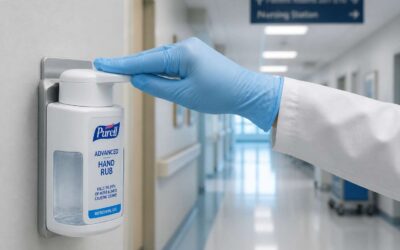
In the sterile realm of an operation theatre, their versatility is unmatched. They can be applied directly to surfaces, instruments, or even hands, providing a quick yet thorough sterilization process. The critical advantage lies in their quick evaporation, which leaves no residue, allowing surgical teams to proceed without delay. Their role in infection control underscores the importance of selecting the right disinfectants used in operation theatre, especially those that combine efficacy with safety for both patients and staff.
Oxidizing Agents
Oxidizing agents stand as formidable guardians within the arsenal of disinfectants used in operation theatre. Their potent ability to target and dismantle microbial cells makes them a preferred choice for sterilizing complex surfaces and equipment. These disinfectants work by releasing reactive oxygen species, which attack the cellular components of bacteria, viruses, and fungi with relentless precision. The result? A sterile environment that significantly reduces the risk of postoperative infections.
Among the most common oxidizing agents used in operation theatres are hydrogen peroxide, peracetic acid, and sodium hypochlorite. These agents are particularly valued for their broad-spectrum efficacy and rapid action. For instance, hydrogen peroxide, with its bubbling activity, not only disinfects but also decomposes into water and oxygen, leaving no harmful residues behind. This makes it an environmentally friendly option for maintaining optimal sterility in surgical settings.
In practice, these disinfectants are often applied to surfaces or equipment through fogging, soaking, or wiping. Their ability to penetrate biofilms and reach hard-to-clean areas underscores their importance in the meticulous world of surgical sterilization. When selecting disinfectants used in operation theatre, the choice of oxidizing agents ensures a balance between effective sterilization and safety for both patients and staff.
Phenolic Compounds
When it comes to disinfectants used in operation theatre, phenolic compounds are a classic choice—think of them as the seasoned veterans of surgical sterilization. These disinfectants, derived from phenol, pack a punch against a broad spectrum of microbes, including bacteria, fungi, and some viruses. Their effectiveness lies in disrupting cellular membranes and denaturing proteins, making them a formidable barrier against contamination.
Phenolic disinfectants are particularly valued in environments where long-lasting residual activity is desired. They cling stubbornly to surfaces, providing ongoing protection even after initial application. In South Africa’s bustling hospitals, phenolics are often employed to disinfect floors, walls, and surgical tables — places where microbial lurking is most likely.
While phenolic compounds are powerful, they require careful handling due to their potential toxicity and corrosiveness. For this reason, they’re often used in combination with other disinfectants to maximize safety and efficacy. Their enduring presence and broad-spectrum efficacy make phenolic disinfectants a reliable component in the arsenal of disinfectants used in operation theatre, ensuring a sterile environment where miracles happen daily.
Quaternary Ammonium Compounds
Among the diverse arsenal of disinfectants used in operation theatre, Quaternary Ammonium Compounds (QACs) shine as versatile guardians of sterility. These compounds, often overlooked in the shadow of more aggressive agents, wield a gentle yet effective power—an elegant dance of molecules that disrupt microbial membranes with precision. Their efficacy against bacteria and certain viruses makes them a staple in maintaining the sanctity of surgical environments.
QACs are particularly valued for their residual activity—an invisible shield that persists long after initial application. This lingering presence ensures surfaces remain protected against microbial resurgence, a vital trait in bustling South African hospitals. They are frequently employed to disinfect surfaces like surgical instruments, countertops, and high-touch areas, where microbial threats are most persistent.
- Broad-spectrum antimicrobial action
- Low toxicity when used as directed
- Compatible with many cleaning protocols
With their unique ability to combine efficacy and safety, disinfectants used in operation theatre that contain quaternary ammonium compounds continue to be an indispensable part of surgical hygiene—guardians of the sterile, silent battlefield where life-saving miracles unfold.
Chlorine-Based Disinfectants
Among the spectrum of disinfectants used in operation theatre, chlorine-based agents occupy a pivotal role, especially in environments demanding rapid and reliable microbial eradication. Their robust oxidative properties enable them to swiftly dismantle the cellular integrity of bacteria, viruses, and fungi, making them indispensable in sterilization protocols. These disinfectants are particularly valued for their versatility and cost-effectiveness, ensuring that even resource-constrained hospitals can maintain high standards of surgical hygiene.
Chlorine compounds, such as sodium hypochlorite, are often chosen for their strong antimicrobial action and ease of use. They are especially effective against a broad array of pathogens, including spore-forming bacteria, which pose a significant threat in surgical settings. The application of chlorine-based disinfectants in operation theatre surfaces, equipment, and water systems helps create a sterile environment where infections are kept at bay. Their quick action and residual disinfectant properties make them a reliable component of comprehensive infection control strategies.
- Rapid microbial kill rate
- Effective against viruses, bacteria, and fungi
- Suitable for surface and water disinfection
- Cost-efficient and easy to implement
In the intricate dance of maintaining surgical sterility, chlorine-based disinfectants stand as a testament to the enduring power of chemical precision. Their role in the disinfectants used in operation theatre underscores a commitment to safeguarding patient health, especially in environments where every second counts and the tiniest microbial presence can have profound consequences.
Enzymatic Cleaners and Biocides
Within the realm of disinfectants used in operation theatre, enzymatic cleaners and biocides stand as vital guardians of surgical sterility. These specialized agents operate at the microscopic level, breaking down organic matter and eliminating stubborn microbial residues that standard disinfectants may miss. Enzymatic cleaners, in particular, are crafted with catalytic proteins that target proteins, fats, and carbohydrates—transforming complex biological debris into harmless substances. This process not only prepares surfaces for effective disinfection but also prolongs the lifespan of surgical instruments.
Biocides, on the other hand, encompass a broad spectrum of antimicrobial agents designed to eradicate pathogens resistant to conventional disinfectants. They are especially useful in sterilizing challenging environments or equipment that requires more aggressive microbial control. The versatility of biocides makes them ideal for use on various surfaces within the operation theatre, ensuring a consistently sterile environment.
In the intricate tapestry of surgical hygiene, enzymatic cleaners and biocides weave an essential layer of defense, complementing other disinfectants used in operation theatre to uphold the highest standards of patient safety and infection control.
Key Properties of Effective Disinfectants for Operation Theatres
Broad Spectrum Antimicrobial Activity
In the high-stakes environment of an operation theatre, the disinfectants used in operation theatre must possess an unwavering commitment to safety and efficacy. These disinfectants are the frontline defenders against the relentless threat of microbial contamination. Their key properties go beyond simple germ-killing; they must offer broad spectrum antimicrobial activity, ensuring that bacteria, viruses, fungi, and spores are all effectively neutralized. This comprehensive coverage is vital to prevent postoperative infections and safeguard patient wellbeing.
Effective disinfectants should also demonstrate rapid action, reducing the window of vulnerability in an already tense setting. Stability in various conditions, coupled with material compatibility, prevents damage to delicate surgical instruments and surfaces. Additionally, they should leave no harmful residues that could compromise subsequent procedures or patient safety. When selecting disinfectants used in operation theatre, these properties form the cornerstone of a sterile, safe environment—where precision and cleanliness aren’t just goals, but imperatives.
Rapid Action
In the high-stakes environment of an operation theatre, the efficacy of disinfectants used in operation theatre hinges on their ability to deliver rapid action. Speed is not just a matter of convenience; it’s a critical factor in maintaining a sterile field amidst the chaos of surgical procedures. A disinfectant that acts swiftly minimizes the window of vulnerability, ensuring that the risk of microbial transmission is drastically reduced. This is especially vital in environments where every second counts in safeguarding patient health.
Effective disinfectants also possess remarkable stability under diverse conditions—whether exposed to fluctuating temperatures, humidity, or contact with various materials. Material compatibility is equally essential; the disinfectants used in operation theatre should not compromise delicate surgical instruments or surfaces. This combination of rapid action and stability forms the backbone of a sterile environment, where meticulous cleanliness is not just a goal but a fundamental requirement.
- Speed of microbial kill
- Stability in variable conditions
- Material compatibility
In a setting where precision and safety are paramount, selecting disinfectants used in operation theatre that embody these key properties ensures the highest standards of hygiene—protecting both patients and healthcare workers alike. When every moment counts, the right disinfectant can make all the difference in maintaining a truly sterile surgical environment.
Residual Effect
In the high-stakes realm of the operation theatre, the residual effect of disinfectants used in operation theatre can be a game-changer. This property ensures that microbial activity remains suppressed long after initial cleaning, reducing the risk of post-operative infections. A disinfectant with a strong residual effect provides a silent, ongoing barrier against pathogens, giving surgical teams peace of mind even in the most demanding situations.
What truly distinguishes top-tier disinfectants is their ability to maintain efficacy over time without compromising safety. The residual effect hinges on the chemical composition—some formulations form a protective film that continuously neutralizes microbes, while others release active agents slowly, providing prolonged sterilization. This sustained action is especially crucial in environments where maintaining strict sterility is a constant challenge.
- Persistent antimicrobial activity ensures a sterile environment beyond initial application.
- Reduces the frequency of re-cleaning, saving valuable time and resources.
- Enhances overall safety for patients and healthcare staff alike.
When selecting disinfectants used in operation theatre, understanding their residual effect is vital. It’s not just about immediate microbial kill but about creating a resilient shield that endures through countless procedures. In this delicate dance of cleanliness and precision, residual efficacy becomes the unseen guardian of safety and sterility, a critical element in South Africa’s healthcare landscape where every detail counts.
Safety and Biocompatibility
Choosing the right disinfectants used in operation theatre is crucial for ensuring both safety and biocompatibility. The best disinfectants not only eliminate pathogens but do so without harming delicate tissues or compromising the integrity of surgical instruments. Their chemical makeup must strike a balance—potent enough to kill microbes yet gentle enough for frequent use in a sensitive environment.
Key properties of effective disinfectants include non-toxicity, skin compatibility, and minimal residual toxicity. These qualities help safeguard healthcare workers and patients alike. Additionally, they should exhibit stability under various conditions, maintaining efficacy over extended periods. This resilience ensures that the sterile environment is preserved, even during lengthy procedures.
For optimal safety, many top-tier disinfectants used in operation theatre feature:
- Biocompatibility with human tissues and materials
- Low corrosiveness to surgical instruments
- Environmental safety and ease of disposal
In the high-stakes setting of South African healthcare, selecting disinfectants with these properties is more than a choice—it’s a necessity. Ensuring safety and sterility demands products that excel in both performance and safety profile, making them indispensable in modern operation theatres.
Ease of Use and Application
Ease of use and application are critical properties of effective disinfectants used in operation theatre. When time is of the essence, a disinfectant that can be applied swiftly and thoroughly can make all the difference in maintaining a sterile environment. Products that require minimal preparation and are simple to dispense help reduce errors and streamline workflow, especially in high-pressure settings.
Moreover, disinfectants that adhere to practical application methods—such as spray, wipe, or soak—offer flexibility to healthcare professionals. This ensures comprehensive coverage of surfaces and equipment without complicating routine procedures. The ability to use disinfectants efficiently, without sacrificing effectiveness, is essential in South African hospitals where operational efficiency directly impacts patient safety.
Some disinfectants used in operation theatre are designed with user-friendly features—like quick-drying formulas and easy-to-handle containers—that facilitate rapid disinfection cycles. These qualities not only save valuable time but also help maintain consistent sterilization standards during demanding surgical schedules.
Compatibility with Surgical Materials
In the high-stakes environment of South African hospitals, selecting disinfectants used in operation theatre is a decision rooted in precision. Compatibility with surgical materials isn’t just a feature—it’s a necessity. Disinfectants that corrode or stain delicate instruments can jeopardize patient safety and complicate sterilization protocols. The ideal disinfectant must harmonize seamlessly with a variety of materials, from stainless steel to delicate plastics, ensuring no compromise in integrity or function.
Achieving this delicate balance demands meticulous formulation. Effective disinfectants used in operation theatre should leave no residues that could interfere with sterilization cycles or compromise future procedures. Some products are specially designed with biocompatibility in mind, offering reassurance that they won’t damage sensitive surgical tools or compromise the sterile field. This compatibility becomes even more crucial in environments where rapid turnover and uncompromising safety standards are the norm.
- Material resilience: The disinfectant must be gentle yet effective on a range of surfaces.
- Residue minimization: Ensuring no harmful residues remain post-application.
- Corrosion resistance: Protecting steel and other metallic components from degradation.
Staying ahead in infection control hinges on understanding these nuanced properties—because when it comes to disinfectants used in operation theatre, compatibility isn’t just a feature; it’s the foundation of surgical safety and operational excellence.
Application Protocols for Disinfectants in Operation Theatres
Preoperative Surface Cleaning
Preoperative surface cleaning in operation theatres is a critical step that demands meticulous attention and the right application protocols. Ensuring the environment is free from microbial contamination isn’t simply about wiping surfaces; it’s about precision and consistency. Disinfectants used in operation theatre must be applied systematically to guarantee maximum efficacy without compromising safety. This involves a careful sequence of cleaning steps, starting with the removal of organic matter, which can inhibit disinfectant activity.
Proper application protocols often include pre-soaking surfaces with disinfectants to allow adequate contact time, followed by thorough wiping or scrubbing. For optimal results, staff should adhere to manufacturer guidelines regarding dilution ratios and contact duration. The use of dedicated equipment—like microfiber cloths and disposable mop heads—helps maintain hygiene standards. Additionally, the sequence of cleaning in the operation theatre often follows a specific order, from the highest to the lowest contamination zones, to prevent cross-contamination. This structured approach ensures that the disinfectants used in operation theatre work effectively, safeguarding patients and staff alike.
Routine Disinfection Procedures
Effective application protocols are vital for ensuring that disinfectants used in operation theatre truly do their job. Properly disinfecting surfaces prevents infection transmission and safeguards patient outcomes. Staff should follow a systematic routine, starting with cleaning from the highest to the lowest contamination zones. This approach minimizes cross-contamination and maximizes disinfectant efficacy.
In practice, disinfectants used in operation theatre are often applied using methods like pre-soaking or wiping, ensuring adequate contact time. A common technique involves using microfiber cloths or disposable mop heads—these tools help maintain hygiene standards and avoid spreading microbes. It’s essential to adhere strictly to manufacturer guidelines regarding dilution ratios and contact duration, as improper use can compromise safety and effectiveness.
- Prepare the disinfectant solution according to recommended concentrations.
- Apply liberally to surfaces, ensuring full coverage for the specified contact time.
- Use dedicated equipment to prevent cross-contamination.
- Follow a cleaning sequence from high to low contamination zones.
By integrating these application protocols, hospitals can ensure that disinfectants used in operation theatre maintain their antimicrobial power, providing a sterile environment for all surgical procedures. Precision and consistency aren’t just ideal—they’re essential.
Specialized Disinfection for High-Risk Areas
In the realm of surgical sanctuaries, where every surface whispers tales of life-saving endeavors, the application of disinfectants used in operation theatre demands both precision and artistry. High-risk areas, such as instrument trays and surgical tables, require specialized disinfection protocols that transcend routine cleaning. The delicate dance involves not only selecting the right disinfectant but also mastering the technique to unlock its full antimicrobial potential.
Careful application ensures that disinfectants used in operation theatre form a formidable barrier against microbes. In practice, this means meticulously preparing the disinfectant solution to the correct concentration, then applying it with unwavering consistency. Microfiber cloths or disposable mop heads are employed to achieve even coverage, ensuring that every inch is bathed in germicidal efficacy. For high-touch zones, multiple rounds of application might be necessary to eradicate persistent pathogens.
Particularly in high-risk areas, a systematic approach—such as following a specific cleaning sequence from the most contaminated zones to the cleaner peripheries—can be the difference between success and microbial invasion. This methodical process not only enhances the effectiveness of disinfectants used in operation theatre but also fortifies the sterile environment essential for successful surgical outcomes. The art of disinfection, it seems, is as much about discipline and detail as it is about science.
Sterilization vs Disinfection
In the high-stakes environment of an operation theatre, the application protocols for disinfectants used in operation theatre are critical to maintaining sterility. The subtle art of disinfection extends beyond mere coverage; it requires meticulous precision, timing, and technique to ensure microbial eradication. Proper use of disinfectants not only safeguards delicate surgical instruments but also fortifies the entire ecosystem against microbial invasion.
Effective disinfection hinges on understanding when sterilization is necessary versus routine disinfection. While sterilization involves complete elimination of all microbial life, disinfection with the right disinfectants used in operation theatre aims to reduce the bioburden to safe levels—an essential step in preventing post-operative infections. During surface preparation, following a systematic cleaning sequence—starting from the most contaminated zones and progressing outward—ensures comprehensive decontamination.
Applying disinfectants with consistency involves techniques such as pre-soaking, proper contact time, and even coverage. For example, using microfiber cloths or disposable mop heads can significantly enhance the efficacy of disinfectants used in operation theatre, ensuring uniform germicidal action. In some cases, multiple applications might be necessary, especially in high-touch areas, to guarantee that no microbial foothold persists. This disciplined approach transforms routine cleaning into a precise science, vital for surgical success!
Environmental Cleaning and Maintenance
In the realm of healthcare, the meticulous application of disinfectants used in operation theatre can be the thin line between safety and catastrophe. Every surface, every instrument, demands unwavering precision to prevent microbial survival. Disinfectant application protocols are not mere routines—they are a sacred ritual rooted in scientific rigor and moral responsibility. The integrity of the entire surgical environment depends on how effectively these disinfectants are deployed, ensuring that no microbial foothold remains unchallenged.
Proper environmental cleaning involves a systematic approach, emphasizing even coverage and adequate contact time. A disciplined sequence—starting from the most contaminated zones—serves as a safeguard against cross-contamination. Techniques such as pre-soaking instruments with appropriate disinfectants and using microfiber cloths for uniform application amplify the disinfectants’ efficacy. When high-touch surfaces are involved, multiple applications often become necessary, transforming routine disinfection into an act of vigilant artistry.
In the complex dance of infection control, understanding the specific role of disinfectants used in operation theatre—whether for routine cleaning or high-risk zones—becomes paramount. The precision in their application not only preserves the integrity of surgical instruments but fortifies the entire ecosystem against unseen microbial threats, ultimately safeguarding lives in the most profound way.
Regulatory Standards and Guidelines for Disinfectants
WHO Recommendations
In the intricate dance of maintaining sterile sanctuaries within the operation theatre, adherence to rigorous regulatory standards is not merely a courtesy—it’s an absolute imperative. The World Health Organization (WHO) has set forth comprehensive guidelines that serve as a benchmark for disinfectants used in operation theatre settings worldwide, including South Africa. These standards ensure that every disinfectant deployed is both efficacious and safe, safeguarding patients and healthcare workers alike.
WHO recommends that disinfectants used in operation theatre undergo strict validation processes, including demonstrating broad spectrum antimicrobial activity and rapid action. Moreover, these disinfectants must meet safety and biocompatibility criteria, particularly when used in environments where delicate tissues are involved. The guidelines emphasize the importance of compatibility with surgical materials, ensuring that disinfection does not compromise the integrity of equipment or surfaces. Such standards are vital in dictating the selection, application, and monitoring of disinfectants, reinforcing a culture of excellence in infection control practices.
CDC Guidelines
Regulatory standards and guidelines for disinfectants used in operation theatre are the backbone of infection control protocols. In South Africa, adherence to these standards is crucial, especially considering the rigorous environment of surgical settings. The CDC’s guidelines serve as a cornerstone, emphasizing that disinfectants must pass strict validation processes to ensure safety and efficacy. These regulations demand that disinfectants used in operation theatre demonstrate broad spectrum antimicrobial activity, rapid action, and residual effects — all while maintaining safety and biocompatibility.
To meet these high standards, healthcare facilities often rely on a combination of validated disinfectants that align with both CDC and WHO recommendations. The selection process involves evaluating the compatibility with surgical materials and surfaces, ensuring that disinfection does not compromise the integrity of delicate equipment. In essence, the standards are designed to uphold a culture of excellence in infection prevention, where every disinfectant used in the operation theatre contributes to a safer surgical environment.
ISO Standards for Disinfection
In the high-stakes environment of South African surgical suites, adherence to rigorous regulatory standards for disinfectants used in operation theatre is paramount. International ISO standards for disinfection serve as a critical benchmark, ensuring that every disinfectant aligns with global best practices. These standards emphasize the importance of validated efficacy, safety, and environmental sustainability—factors that are non-negotiable in sterile surgical settings.
ISO standards demand comprehensive testing and validation processes that measure broad spectrum antimicrobial activity, rapid action, and residual effects. Disinfectants used in operation theatre must also demonstrate compatibility with delicate surgical materials, preventing damage while effectively eliminating pathogens. This meticulous approach guarantees that infection prevention remains uncompromised, fostering a safer environment for patients and healthcare workers alike.
Ultimately, the integration of ISO standards with local regulatory requirements fortifies the infection control protocols in South Africa. It ensures that every disinfectant used in operation theatre not only meets the highest quality benchmarks but also upholds the integrity of surgical procedures—where every detail counts in the fight against infection.
Local Healthcare Regulations
In South Africa’s intricate landscape of healthcare, compliance with local regulatory standards for disinfectants used in operation theatre is not merely an administrative formality—it is a moral imperative. These standards serve as a bulwark against contamination, ensuring that every disinfectant employed upholds the highest levels of safety and efficacy. The Department of Health’s guidelines, aligned with international best practices, mandate rigorous evaluation processes that scrutinize both the antimicrobial potency and biocompatibility of disinfectants used in operation theatre.
To navigate this complex regulatory terrain, healthcare facilities must adhere to a series of strict protocols, which often include:
- Certification by recognized authorities ensuring safety and effectiveness
- Compatibility testing with surgical instruments and materials
- Regular audits to verify ongoing compliance with local legislation
Such meticulous oversight guarantees that disinfectants used in operation theatre do not compromise the delicate balance of sterile environments, ultimately safeguarding patient outcomes and staff well-being. South African authorities, in concert with global directives like WHO and CDC guidelines, enforce these standards, fostering a culture where infection prevention begins with every disinfectant deployed within the surgical suite. This harmony of standards and regulations fortifies the backbone of infection control, transforming disinfection from a routine task into a vital act of medical stewardship.
Innovations and Future Trends in Surgical Disinfection
Antimicrobial Coatings
Innovation in the realm of surgical disinfection is nothing short of revolutionary. As technology advances, we are witnessing a paradigm shift toward antimicrobial coatings that transform the very surfaces within operation theatres. These next-generation coatings, infused with nanomaterials and bioactive agents, promise a persistent barrier against microbial colonization, reducing the reliance on traditional disinfectants used in operation theatre. Such innovations are not only enhancing safety but are also streamlining preoperative procedures and postoperative recovery.
Future trends point towards smart surfaces embedded with sensors capable of detecting contamination in real-time. The integration of antimicrobial coatings with Internet of Things (IoT) technology could enable instant alerts, prompting immediate disinfection responses. In South Africa, this leap forward could significantly mitigate healthcare-associated infections, especially in high-risk zones. As we embrace these advancements, it’s clear that the landscape of surgical disinfection will become more sophisticated, efficient, and tailored to the unique needs of each operation theatre environment.
Ultraviolet (UV) Disinfection
Ultraviolet (UV) disinfection is rapidly emerging as a game-changer in the realm of disinfectants used in operation theatre environments. Unlike traditional chemical disinfectants, UV light provides a contactless, rapid, and effective method to eradicate pathogens from surfaces and air within surgical spaces. This innovation reduces reliance on manual disinfection procedures, minimizing human error and ensuring a higher level of sterility.
Advances in UV technology have led to the development of automated UV disinfection systems that can be seamlessly integrated into routine cleaning protocols. These systems often incorporate sensors and timers, allowing for precise control and optimal exposure times. In high-risk zones such as South African hospitals, UV disinfection units are proving invaluable in curbing healthcare-associated infections, especially when combined with conventional disinfectants used in operation theatre.
Future trends indicate a move towards UV systems embedded with IoT capabilities, enabling real-time monitoring and data logging. Such smart disinfection solutions are capable of alerting staff when surfaces need re-treatment, thereby creating a safer, more efficient operating environment. As the landscape of surgical disinfection continues to evolve, UV disinfection stands out as a pivotal innovation, promising a cleaner, safer future for surgical procedures worldwide.
Nanotechnology in Disinfectants
As the shadows of innovation lengthen over the realm of surgical sanitation, nanotechnology emerges as a beacon of hope—an almost mystical force transforming disinfectants used in operation theatre. These nano-enhanced solutions wield the power of microscopic particles, allowing them to penetrate the tiniest crevices and eradicate pathogens with unprecedented precision. It’s a silent revolution that promises to redefine standards of sterility in high-stakes environments.
Future trends hint at the integration of nanotechnology with smart systems, creating disinfectants that not only clean but actively monitor and adapt to the microbial landscape in real-time. Imagine surface coatings embedded with nano-antimicrobials, continuously releasing agents that keep the environment sterile long after initial application. Such innovations could dramatically reduce healthcare-associated infections, especially in resource-constrained settings like South African hospitals.
Furthermore, the advent of nanotechnology in disinfectants used in operation theatre heralds a new era—one where biofilms are shattered at a molecular level, and surfaces remain inhospitable to microbial life. The fusion of these tiny particles with IoT-enabled devices promises a future of surgical spaces that are not only cleaner but smarter, ever vigilant against unseen threats lurking in the shadows.
Automated Disinfection Systems
As technological horizons expand, automated disinfection systems are heralding a new epoch of surgical sterilization, where precision meets relentless efficacy. These systems transcend traditional manual cleaning, harnessing robotics and sophisticated sensors to deliver unparalleled sterilization. Imagine a future where the operation theatre is continuously monitored, with disinfection cycles triggered by real-time microbial assessments—no human intervention required. Such innovations are not mere fantasies but imminent realities, poised to revolutionize the landscape of disinfectants used in operation theatre.
Among the most promising advancements are automated surface sterilizers equipped with ultraviolet (UV) disinfection capabilities and integrated IoT technology. These devices operate with surgical precision, ensuring that every inch of the sterile field is free of microbial threats. Additionally, the advent of nanotechnology in disinfectants is offering solutions that actively adapt to the microbial environment, releasing antimicrobials in response to detected contamination levels. The integration of these technologies promises a future where the sterility of surgical spaces is maintained seamlessly and consistently.
For healthcare facilities committed to excellence, embracing innovations like antimicrobial coatings and smart disinfection systems is no longer optional. These trends reflect a profound shift towards creating safer, smarter surgical environments—where the battle against pathogens is fought with science’s most advanced tools. As we venture further into this brave new world, the role of disinfectants used in operation theatre will become increasingly sophisticated, personalized, and resilient against the ever-evolving microbial landscape.
Emerging Disinfectant Formulations
The future of surgical disinfection is shimmering with innovation, promising to elevate sterile environments to unparalleled heights. Emerging disinfectant formulations are becoming marvels of modern science, designed to adapt dynamically to the ever-changing microbial landscape within operation theatres. These next-generation disinfectants are not merely passive agents; they are active participants in the battle against pathogens, utilizing cutting-edge technology to enhance safety and efficacy.
Advances such as nanotechnology-enabled disinfectants are revolutionizing the field by releasing targeted antimicrobials precisely where needed, minimizing chemical waste and maximizing microbial eradication. Additionally, novel formulations infused with bioactive compounds are offering prolonged residual effects, maintaining sterility for extended periods. Such innovations ensure that the disinfectants used in operation theatre remain potent, even against resistant microbial strains, creating a safer surgical environment.
- Smart disinfectant systems that respond to microbial feedback, triggering disinfection cycles automatically.
- Environmentally friendly solutions that adhere to global standards while reducing ecological impact.
As we look ahead, the integration of these advanced disinfectant formulations with automated disinfection systems paves the way for a future where surgical spaces are not only sterile but intelligent—self-monitoring, self-activating, and resilient. This synergy heralds a new chapter in healthcare, where the fight against infection is conducted with scientific artistry and relentless precision, ensuring optimal patient outcomes in South Africa and beyond.

0 Comments