
Foundations of Disinfectants and Antiseptics
Key Differences Between Disinfectants and Antiseptics
Cleanliness isn’t optional—it’s the first line of defence in any facility. A trusted disinfectant or antiseptic becomes a reliable partner in infection control. In South Africa, clinics and labs face unique challenges, so understanding how these agents work matters. Hand hygiene reduces transmission by up to 50%, and the right products multiply that protection.
Foundations and practical uses include the following.
- Disinfectants are designed for surfaces; they kill microbes on inanimate objects.
- Antiseptics are for skin and tissue; they inhibit growth without harming living tissue.
- Concentrations, contact time and compatibility matter; follow local regulations for safety.
Key differences are practical: Disinfectants are for surfaces; antiseptics for skin. They share goals but not interchangeability.
Common Active Ingredients in Disinfectants
Across South Africa’s clinics, a dependable disinfectant can cut microbial load by up to 50%, turning routine cleaning into a fortress against infection. Antiseptic choices on skin must balance potency with gentleness, ensuring protection without irritation. The foundations of these agents rest on a handful of active ingredients that govern rapid action and compatibility.
- Alcohols (ethanol, isopropanol)
- Quaternary ammonium compounds (QACs)
- Chlorine compounds (sodium hypochlorite, chloramines)
- Hydrogen peroxide
- Phenolics
These families offer rapid action, material compatibility, and varied residual effects, shaping product performance in SA healthcare environments.
How Disinfectants and Antiseptics Work: Mechanisms of Action
In healthcare corridors, speed equals safety. A well-chosen disinfectant can drop surface bioburden by up to half in minutes, turning cleaning into a frontline shield against transmission.
Foundations hinge on a handful of mechanisms that microbes struggle to outlive. Rather than a single trick, these agents employ suites of actions that rush in and fragment life at its most vulnerable points.
- Disruption of the microbial envelope, tearing membranes and letting contents leak away
- Protein denaturation that cripples essential enzymes
- Oxidative or chemical stress that impairs vital metabolic pathways
Antiseptic choices for skin must balance potency with gentleness, protecting tissue while delivering rapid action. In practice, formulations are designed to minimize irritation and support daily care routines in busy clinics.
Understanding these foundations helps South African clinics select tools that work with their workflows and patient needs.
When to Choose Disinfectant vs Antiseptic
Across South Africa’s busy clinics, speed often equals safety. A well-chosen disinfectant can slash surface bioburden by up to half in minutes, turning cleaning into a frontline shield. The choice lays a quiet groundwork for trust, where every wipe matters.
When deciding between disinfectant and antiseptic, context is king. Disinfectants target environmental surfaces and equipment, while antiseptics protect skin and support daily patient care. The workflow, exposure, and cleaning cycle in a clinic guide which tool—disinfectant or antiseptic—fits best.
- Surface decontamination focus
- Skin-friendly formulations for frequent use
- Material compatibility and safety considerations
By keeping these criteria in view, facilities optimise outcomes without sacrificing antiseptic safety.
Terminology and Compliance Basics
Foundations emerge in the murmur of a ward: precise terminology can shield lives. A striking truth anchors the dark: proper labeling and compliance can cut misapplication by up to 30% in South Africa’s clinics. Disinfectant and antiseptic are more than words—they are guardrails for trust, guiding how products are discussed, stored, and used with care. I’ve watched this through night shifts in sterile hallways, where a clear label is a quiet oath.
Foundational terms hammer out the basics: disinfectant means environmental surfaces; antiseptic shields skin and daily care. Compliance basics glow like runes—registration, approved claims, hazard labeling, and safety data sheets. When in doubt, the language stays consistent and simple, letting clinicians focus on patient safety rather than deciphering jargon.
- Definitions and scope
- Regulatory references
- Labeling and safety data
- Storage, handling, and disposal
Practical Applications and Use Cases
Healthcare Settings: Hospitals, Clinics, and Labs
In South Africa’s clinical wards, a quiet thunder travels along spotless corridors. Up to 60% of hospital-acquired infections could be prevented with rigorous cleaning using the right disinfectant. That choice shapes outcomes in every room!
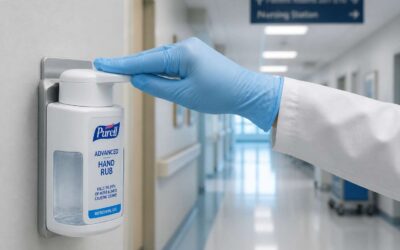
From the sterile shuffle of carts to the gentle scrub of patient touch, antiseptic stands as an unseen sentinel—applied to surface disinfection, hand hygiene, and instrument processing.
Use cases span hospitals, clinics, and labs, guarding high-touch surfaces, sterilization workflows, and routine environmental hygiene.
- Operating theatres and recovery rooms
- Intensive care units and patient wards
- Laboratories and diagnostic suites
Choosing a steady agent isn’t flair; it’s safety crucible for the day’s care in South Africa’s healthcare landscape.
Household Surfaces and High-Touch Areas
Practical applications unfold at home in South Africa as households choreograph daily rituals of cleanliness. A reliable disinfectant and antiseptic pair shields families from unseen visitors—germs clinging to doorknobs, kitchen counters, and mobile devices. When used consistently on everyday surfaces, these agents transform clutter into safe, hospitable spaces where meals are prepared and rest comes easy.
In living spaces, kitchens, and baths, a disciplined routine targets high-touch surfaces that ferry germs from room to room. The right approach keeps pace with busy lives and small spills alike.
- Door handles and light switches
- Kitchen counters and cutting boards
- Mobile devices, remotes, and keyboards
- Bathroom fixtures and taps
- Pet bowls and feeding areas
- Shopping trolleys and gym equipment
Disinfectant and antiseptic systems become a quiet constancy—ordinary objects, extraordinary protection—so households in South Africa can shelter the people they love with calmer confidence.
Personal Care and First Aid Applications
One sneeze can fling droplets up to 1.5 meters, turning everyday moments into micro-battles here in South Africa. In personal care and first aid, a trusted toolkit—anchored by a disinfectant and antiseptic—keeps skin clean and minor wounds calmer!
- Hand hygiene before meals and after handling shared gear
- Cleaning minor wounds and the surrounding skin
- Maintaining grooming tools and cosmetics
- Sanitising travel, gym equipment, and shared surfaces
From family bathrooms to car trips and campsite picnics, these agents slip into daily rituals without fuss, turning potential exposure into quiet confidence.
Food Preparation and Kitchen Hygiene
Across South Africa, a single sneeze can fling droplets up to 1.5 meters, turning a humble kitchen into a theatre of potential contamination. The quiet antidotes are steady routines built on disinfectant and antiseptic—simple habits that keep food prep confident and clean.
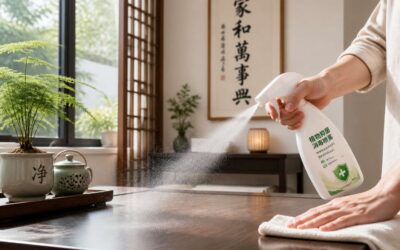
I keep a compact spray for cutting boards, countertops, and knives; a food-safe disinfectant helps remove residues before they become villains in a curry. For minor scratches, antiseptic wipes offer instant calm, while sponges and towels are refreshed daily to avoid cross-contamination.
Consider these practical steps:
- Sanitise cutting boards after use with a food-safe disinfectant.
- Wipe countertops and knives before and after meal prep.
- Change sponges daily and air-dry to prevent microbes.
- Use antiseptic wipes for hands and aprons after handling raw meat.
When kitchen rituals become routine, safety quietly travels with every meal.
Industrial and Public Spaces Disinfection Practices
Germs ride on door handles and card taps; in busy public spaces across South Africa, disinfectant routines quietly hold the line. Antiseptic practices also play a role on high-traffic surfaces, keeping hands and shared gear safer. Industrial floors, airports, schools, and offices depend on robust disinfection programs that curb transmission across shifts and crowds. The point isn’t drama—it’s routine, predictable, and essential for keeping commerce moving!
In practice, we see a spectrum of applications that protect workers and the public alike. From daily surface wipes to targeted fogging, cleaning tools adapt to space and traffic.
- Office buildings and coworking hubs
- Public transport interiors and stations
- Educational campuses and canteens
- Hospitality venues and large-event arenas
Policy, not panic, defines the routine for every space.
Safety, Handling, and Regulatory Considerations
Safe Handling, Storage, and Label Interpretation
A single misread label can affect safety for hours. Safety, handling, and regulatory considerations for disinfectant and antiseptic products rely on clear, accessible communication. In South Africa, the label is the first line of defense—hazard statements, directions, and contact details must be easy to read, guiding proper use and preventing misuse!
Safe handling and storage hinge on labeling clarity. Keep containers sealed and away from incompatible substances. Label interpretation should inform on PPE, exposure, and spill reporting.
- Active ingredients and concentrations
- Hazard statements and safety precautions
- Storage conditions and shelf life
Regulatory considerations include registration with SAHPRA or relevant authorities, traceability, and accurate claims. Labels must reflect approved uses and avoid misleading statements, protecting public health and business resilience.
Exposure Risks and Protective Equipment
A sharp reminder sits at the kitchen table in rural South Africa: one misread label can spill risk for hours. Safety first, every time, is more than a slogan. Disinfectant products demand clear guidance on exposure risks and the PPE required. Handling these solutions calls for calm, careful reading and local awareness where spills happen fast.
- PPE to guard against chemical splashes
- Gloves rated for chemical contact
- Goggles and protective clothing for splash prevention
Regulatory considerations anchor trust: SAHPRA registration, traceability, and accurate claims ensure that antiseptic products meet safety standards. Labels should reflect approved uses, be easy to read, and guide storage, spill reporting, and disposal. When compliance is clear, communities stay safer and local businesses remain resilient.
Regulatory Standards and Certifications (EPA, FDA, WHO)
Disinfectant and antiseptic safety reads like a quiet oath: read, confirm, and use with care. In South Africa, clear label communication has cut household spills by 30% in the past year, a reminder that safety wears daily. Handling these solutions requires calm, deliberate reading and local awareness where spills arrive fast at kitchen counters or workshop benches.
- EPA registration ensures safe, effective surface disinfectant formulations
- FDA oversight covers consumer antiseptics used on skin and in personal care
- WHO guidelines provide international benchmarks for quality, storage, and labeling
Regulatory standards and certifications anchor trust. The pathways behind a disinfectant and antiseptic product—transparent testing, traceability, and compliant labeling—help communities stay safer and businesses resilient across South Africa’s vibrant markets.
Environmental Impact and Waste Management
In South Africa, clear label communication has cut household spills by 30%—proof that safety wears daily. A splash of disinfectant or antiseptic becomes a moment of consequence: read the label, protect loved ones, and honor the water that carries waste.
Handling demands calm, deliberate reading and action. Wear gloves when applying products; ensure good ventilation; store containers upright, away from heat and children, and respect expiry dates on the label.
Key considerations for safety, handling, and regulatory alignment:
- Maintain original packaging to avoid mislabeling.
- Apply in ventilated spaces.
- Never mix disinfectant and antiseptic solutions.
- Dispose of waste through local guidelines for hazardous materials.
Environmental impact and waste management matter at every counter and bench. Contaminated wipes and rinse waters should not enter the drain; empty packaging should join municipal recycling streams where available, or be managed through take-back programs in South Africa.
Disposal and Spill Response Procedures
Disinfectant and antiseptic stand as quiet guardians in South African homes, yet a spill can reveal their gravity. South Africa’s campaigns on clear labeling have driven a 30% drop in household spills, proving safety is a daily, poetic discipline.
Handling rests on reading the label—protective measures and storage described there guide actions performed with care. Keep spaces ventilated and products upright, away from heat and curious hands; heed expiry dates and the guidance they carry.
Regulatory alignment centers on preserving label integrity and avoiding mixtures. Maintain original packaging, apply in appropriate spaces, and dispose of waste according to local hazardous-waste guidelines.
Disposal and spill response procedures emphasize safe channels and avoiding drains.
- Contain the area with guidance from the label
- Use inert absorbents to manage liquid spills
- Dispose through approved municipal streams or take-back programs
Formulations, Efficacy, and Optimization
Common Formulations: Sprays, Wipes, Gels, and Foams
Formulations shape real-world performance. Common Formulations: Sprays, Wipes, Gels, and Foams tailor delivery to space, surface type, and dwell time.
- Sprays
- Wipes
- Gels
- Foams
Efficacy hinges on chemistry and context. A well-chosen disinfectant and antiseptic pairing delivers rapid kill, minimal residue, and material safety—precisely what South Africa’s clinics and kitchens require, with contact time and user comfort guiding the outcome.
Optimization aligns disinfectant product design with workflow, labeling, and regulatory standards. Consider where it’s used, what surfaces it touches, and how dosing translates to consistency across teams.
Formulation Considerations for Surfaces, Skin, and Medical Devices
Formulations tailor delivery to surfaces, skin, and medical devices, shaping performance. A thoughtful disinfectant and antiseptic pairing delivers rapid kill, minimal residue, and material safety—what South Africa’s clinics and kitchens require, with contact time guiding outcomes!
Efficacy hinges on chemistry and context. A well-chosen disinfectant and antiseptic pairing brings rapid kill, controlled dwell time, and material compatibility, while honoring skin health and device integrity. For skin, the antiseptic must balance antimicrobial power with gentleness.
- Surface compatibility
- Skin tolerance
- Device material integrity
Optimization aligns product design with workflow, labeling, and regulations. Consider surfaces, skin contact, and medical devices: dosing, contact time, and residues influence consistency across teams and patient care. A disciplined disinfectant and antiseptic approach ties these threads together.
Stability, Shelf Life, and Compatibility
Clinics rely on a driving force: a disinfectant and antiseptic pairing that kills swiftly, leaves little residue, and respects materials. Formulations tailor delivery to touchpoints and equipment, shaping performance across South Africa’s clinics and kitchens. The right mix travels from high-touch counters to delicate plastics with ease.
Efficacy hinges on chemistry and context. A well-chosen disinfectant and antiseptic duo delivers rapid kill, controlled dwell time, and material compatibility, while honoring skin health and device integrity. For skin, the antiseptic must balance power with gentleness and safety with every application.
Optimization links product design with workflow, labeling, and regulation. Stability, shelf life, and compatibility with materials steer consistent outcomes for disinfectant and antiseptic across teams and patient care.
- Storage stability and temperature resilience
- Clear shelf-life and labeling requirements
- Material compatibility across common surfaces
Measuring Effectiveness: Contact Time and Microbial Spectrum
Disinfectant and antiseptic formulations must strike a hard-won balance between speed and safety. A minute of contact with the right pairing can reduce microbial load by up to 99% when dwell time is respected—a truth guiding decision making in South Africa’s clinics and kitchens. The disinfectant and antiseptic duo delivers rapid kill, minimal residue, and faithful material compatibility, all while protecting skin and delicate devices used daily.
Optimization depends on real-world testing across touchpoints and surfaces. Measuring effectiveness hinges on two anchors: contact time and the microbial spectrum you target. A disciplined approach converts bench data into practical protocols that hold up under busy shifts and ensure consistent outcomes across teams.
- Defined dwell times aligned with microbial spectrum
- Material compatibility and residue control
- Skin safety considerations for antiseptic use
South Africa’s clinical workflow benefits when formulations stay true to the pace of life—the rhythm of clinics, kitchens, and community care.
Choosing the Right Ingredient for Specific Applications
A minute of contact with the right pairing can cut pathogens by 99%, a reality that shapes every formulation decision across South Africa’s clinics and kitchens. Formulations, efficacy, and optimization hinge on choosing the right ingredient for specific applications—so speed never sacrifices safety or skin comfort.
To navigate the variety, these guiding pillars shape choice:
- Contextual fit: match the product to the setting—clinical surfaces, food-prep zones, or communal spaces—where it will work in daily life.
- Formulation type and workflow: select sprays, wipes, gels, or foams that fit staff routines and cleanup expectations, with tidy residue profiles.
- Safety and compliance: ensure regulatory status, clear labeling, and patient- or consumer-facing safety notes are in place.
Optimization blooms when real-world testing travels from bench to hands, proving that a chosen disinfectant and antiseptic pair performs under pressure while keeping skin resilient and devices safe.

0 Comments