
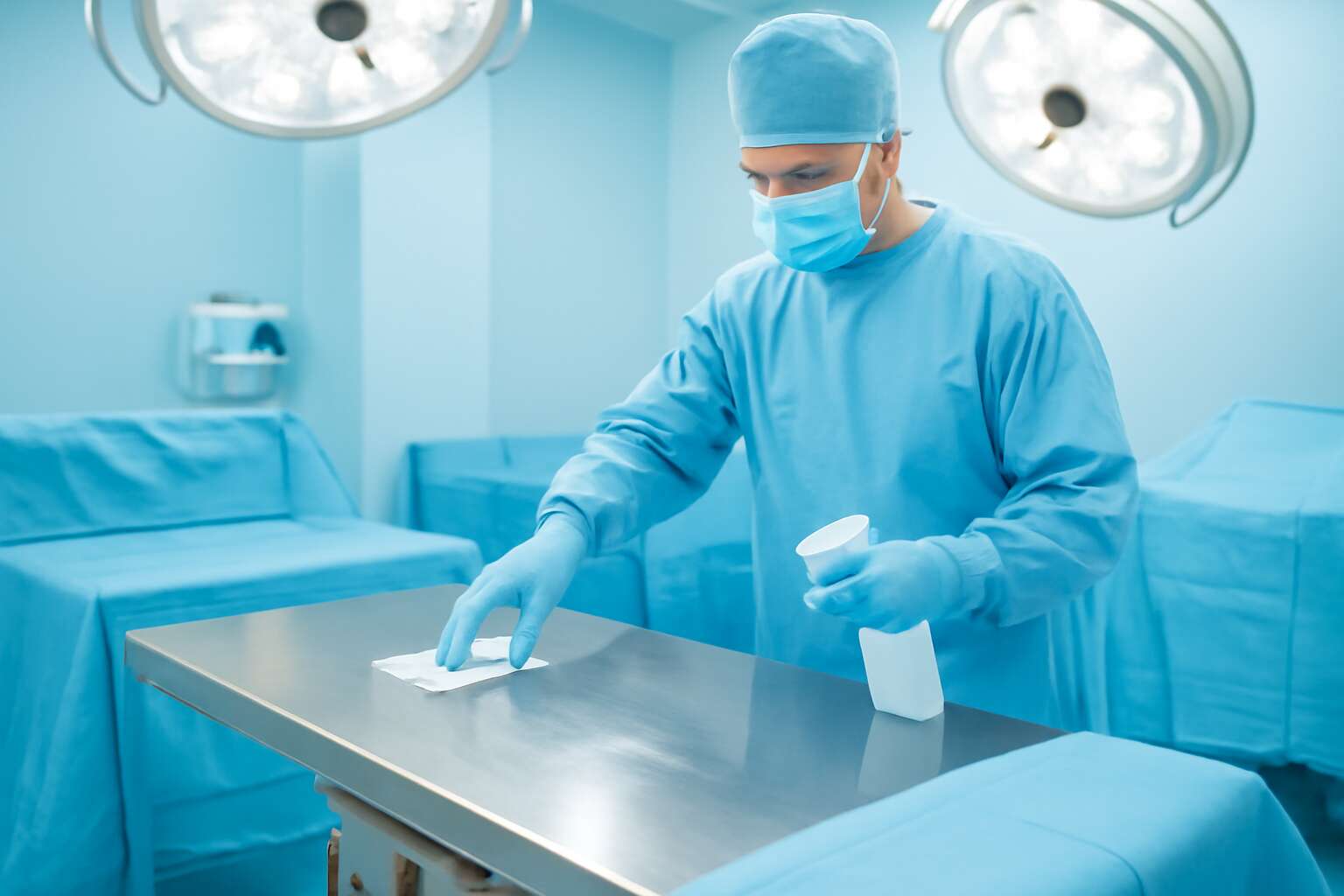
Understanding disinfection in the operating theatre
Purposes and impact of disinfection in surgical suites
In the operating theatre, a single overlooked touch can decide a patient’s fate. Disinfection rituals feel almost ceremonial, yet they bear the weight of a life lived between drape and drill. The choice of disinfectant used in operation theatre shapes the sterile field and patient outcomes, echoing through every breath in the room.
Understanding disinfection is more than labeling surfaces clean; it’s about preventing transmission, reducing postoperative infections, and preserving trust in our care. In South Africa’s wards and operating theatres, the stakes are intimate and immediate; the process must be swift, thorough, and verifiable.
- Minimizing microbial load on surfaces
- Protecting theatre staff and patients
- Preserving sterility of instruments and implants
These elements ripple into recovery, costs, and professional integrity.
Regulatory guidelines and compliance for OR disinfection
In the operating theatre, regulatory guidelines frame every wipe and wipe-down. South Africa’s health authorities expect disinfectant used in operation theatre to meet proven efficacy, be appropriately labeled, stored, and rotated, and to be employed according to national cleaning standards. Compliance isn’t abstract policy; it shapes sterility, patient safety, and the trust surrounding every incision!
Audits and inspections zero in on documentation, training, and the lifecycle of products. Compliance for OR disinfection goes beyond a bottle on a shelf; it requires records that show product registration, batch tracking, and routine validation of cleaning effectiveness.
- Product registration and approval status with SA regulators.
- Validated concentrations and contact times documented in cleaning schedules.
- Staff training records and competency assessments for environmental services.
- Procurement and supplier verification to ensure consistent disinfectant supply and traceability.
- Routine environmental monitoring and verification audits to confirm the sterile field integrity.
Key terminology: disinfection vs sterilization vs sanitization
Tiny microbes, huge consequences. In busy operating theatres across South Africa, the language of cleanliness defines every wipe, every routine, and every patient’s outcome. Disinfection, sterilization, and sanitization aren’t casual terms; they map the journey from surface to sterile field, guiding what stays tough on surfaces and what must be removed entirely.
- Disinfection: reduces or eliminates pathogenic microorganisms on inanimate surfaces with chemical agents, lowering the risk of transfer to patients.
- Sterilization: destroys or eliminates all forms of microbial life, including spores, when validated by proper processes.
- Sanitization: lowers the overall microbial load to levels considered safe under routine use, without guaranteeing complete sterility.
When it comes to the disinfectant used in operation theatre, efficacy, surface compatibility, and safe handling become the quiet backbone of a trusted environment—one that keeps the theatre’s integrity intact while everyone holds their breath between the instrument table and the incision.
Disinfection practices and effectiveness metrics
“Cleanliness writes the verdict,” a surgeon once whispered as the lights settled over the scrub area. In the theatre’s quiet bustle, every wipe carries a vow to keep infection at bay and patients breathing easy!
Understanding disinfection means weighing how fast a solution acts against what it can do to the theatre’s surfaces and instruments. The disinfectant used in operation theatre must balance rapid microbial kill with material safety, leaving hands confident and tools undamaged.
Effective disinfection hinges on defined practices and measurable outcomes. We track surface decontamination, required contact times, and how agents pair with stainless steel and optics.
- Target log reductions on high-touch surfaces
- Material compatibility and corrosion risk
- Verification methods such as bioburden checks and ATP testing
When the right regimen meets workflow, the sterile field becomes a living promise for South Africa’s theatres and the teams who guard them.
Safe handling and environmental considerations in the OR
Across South Africa’s operating theatres, rigorous disinfection cuts post-operative infection risk by up to 30%. The phrase disinfectant used in operation theatre is more than chemistry—it’s a guardian that needs careful handling. It must be fast against microbes, yet gentle on stainless steel, optics, and instrument surfaces. Safe handling and environmental considerations shape every choice—from storage and labeling to airflow and spill containment—so the scrub area remains an orderly sanctuary during the busiest hours.
- Safe handling and staff oversight
- Ventilation, airflow, and environmental controls
- Material compatibility and corrosion risk awareness
When these considerations flow with the theatre’s routine, the environment supports every incision with quiet confidence.


0 Comments