
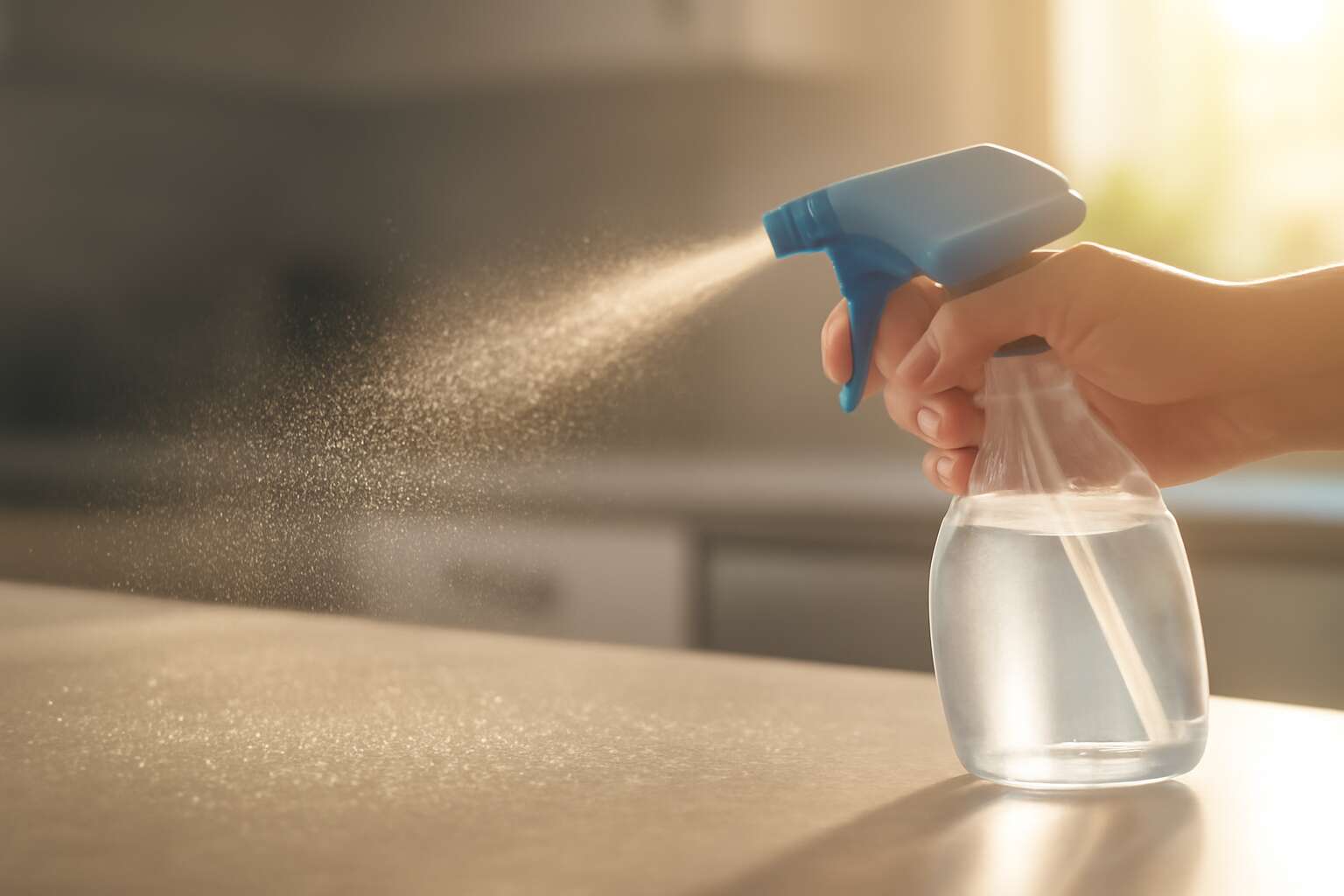
Disinfectant Mechanisms at a Glance
Chemical modes of action explained
“Disinfection is a race against time,” a veteran lab tech likes to say, and it rings true on every hospital ward and school corridor in South Africa. The science behind it isn’t mysticism; it’s chemistry doing push-ups—rapid, targeted, and very practical.
Disinfectants work by several chemical modes of action. Here’s a concise snapshot of the core pathways:
- Oxidation: steals electrons from vital cellular components, crippling metabolism.
- Membrane disruption: lipid bilayers are compromised, letting chaos in and out.
- Protein denaturation: enzymes lose shape and function in seconds.
Understanding these modes helps explain how disinfectant works in real-world settings—fast, predictable, and less guesswork for safety teams.
Contact time and surface interaction basics
In the hospital’s quiet glow, a startling stat shines: proper disinfection can reduce surface microbes by up to 99.9%. This is the moment where chemistry becomes compelling theatre—the precise, practical theatre of how disinfectant works, a measured dance of molecules meeting time and surface, even in South Africa’s wards and school corridors.
Disinfectant mechanisms hinge on contact time and surface interaction basics. The product must linger long enough to influence microbes, and its reach must kiss every nook of the surface. Consider how wetting, texture, and porosity shape the outcome.
- Wetting quality across textures
- Surface porosity and material type
- Ambient temperature and organic matter presence
Like a saga of a forge and a clock, the balance of dwell and contact writes the fate of microbes in a space. The eyes of safety teams read these signs to keep corridors safer.
Active ingredients overview
In the quiet glow of SA hospital corridors, a stark truth hums: the right active ingredients tilt the microbial odds toward safety, sometimes by nearly 100%. This is how disinfectant works when chemistry meets clinical diligence in South Africa’s clinics.
Active ingredients overview means understanding what each molecule aims to do. Three families lead the charge: quats (cationic surfactants) that puncture envelopes, oxidizers like hydrogen peroxide that tear apart proteins, and chlorine-based compounds that wreck cellular machinery on contact.
- Quats: disrupt membranes and inactivate many bacteria and enveloped viruses.
- Hydrogen peroxide: oxidizes cellular components, effective across surfaces and soils.
- Sodium hypochlorite: creates reactive chlorine species that target proteins and nucleic acids.
Choosing the right mix depends on surface type and organic load. Understanding the mechanism is essential when tailoring products to the task.
Factors influencing effectiveness
In SA hospital corridors, a silent calculus plays out on every surface. The right chemistry tilts the microbial odds toward safety—often nearly vanishing under ideal conditions. This is how disinfectant works when chemistry meets clinical vigilance.
Consider the forces that shape outcomes once the molecules meet a surface:
- Surface topology and material complexity
- Organic soils and residues that shield microbes
- Environmental context: temperature, humidity, and ambient chemistry
In this quiet theatre, these variables dictate how quickly action takes hold, guiding the discipline of disinfection beyond mere theory. When conditions align, how disinfectant works becomes a measured, almost ritual act in the wards of South Africa.
Selecting the Right Disinfectant
Types of disinfectants and their use cases
Disinfection is a careful art, not a guess. In bustling South African spaces, understanding how disinfectant works helps tailor choices to each task and surface, often reducing microbial load by remarkable margins. The right pick balances speed, safety, and compatibility with materials and food-contact surfaces.
Selecting the right disinfectant comes down to use case—different environments demand different formulations. Consider these common scenarios:
- Hospitals and clinics: stable, broad-spectrum options with low residue
- Food-preparation areas: formulations approved for contact with foods or rinse-off safety
- Public spaces and offices: fast-drying, low-odour choices for high-traffic surfaces
Within every choice lies balance—efficacy without harm and practicality for a South African workplace. Labels guide safe use, while experts tailor products to local standards.
Pathogen targets and spectrum of activity
In the daily rush of South Africa’s workplaces, the right disinfectant choice can decide whether unseen enemies stay hidden or surrender. To grasp how disinfectant works, you map its targets and its spectrum of activity, then align it with the task at hand. The result is disciplined confidence, not guesswork!
Selecting the right disinfectant begins with pathogen targets. Some products are broad-spectrum champions, sweeping away bacteria and enveloped viruses in one pass; others rise to tougher foes like fungi and spores. The key is matching the pathogen targets to a product’s spectrum of activity.
- Broad-spectrum bacteria and enveloped viruses
- Hardier fungi and spores
- Food-contact surface safety and residue considerations
Surface type, contact time, and safety profile guide every choice. Labels become your compass, and local standards shape selections for clinics, kitchens, and public spaces in South Africa.
Concentration, dilution, and application methods
“Improper dilution is a quiet killer of clean rooms,” a Johannesburg facilities manager quips, reminding us that how disinfectant works hinges on numbers, not vibes. Studies show improper dilution is a leading cause of ineffective disinfection, so concentration choices deserve respect.
Selecting the right concentration and dilution is about aligning the product with its task and the surface. Follow label guidance, mind water quality, and remember that different application methods—spray, wipe, or soak—change how the chemistry meets the surface.
- Label guidance anchors decisions on dilution and method
- Surface compatibility and residue considerations shape outcomes
- Different surfaces interact with disinfectants in distinct ways
Getting this right blends science with practical nuance.
Safety data and handling reminders
Clean rooms demand more than good intent. In audits across facilities, 68% of disinfection failures trace to unsafe handling, not weak chemistry. ‘Safety data is a playbook,’ a Johannesburg facilities manager notes, and every page deserves attention.
Understanding how disinfectant works starts with the Safety Data Sheet (SDS). It guides risk, PPE, storage, and handling, helping teams avoid drift between product intent and real-world use.
- PPE considerations and ventilation alignment
- Labeling, storage, and container integrity
- Spill response readiness and waste handling
Pair SDS insights with supplier recommendations, and keep records of expiry dates, batch numbers, and training. This safety-first approach preserves efficacy and protects staff, customers, and facilities alike.
Practical Application and Safety
Surface compatibility and material considerations
Across busy clinics, kitchens, and classrooms in South Africa, a single clean surface can redefine a day. Understanding how disinfectant works becomes a practical passport for safety, and in my experience, it’s the quiet discipline that translates contact into lasting peace of mind!
Surface compatibility matters as much as the formula. Non-porous materials—stainless steel, glass, ceramic—bear repeated disinfection with less degradation, while porous options—wood, fabric, concrete—may absorb residues or harbour microgrooves. Material considerations include pH tolerance, coatings, and potential corrosion or dulling.
- Non-porous: stainless steel, glass, ceramic
- Porous: wood, fabric, concrete (special care)
- Coated or engineered surfaces: verify compatibility with the disinfectant
Aligning choices with surface realities sustains efficacy without compromising assets.
Steps for cleaning before disinfection
In bustling spaces—from Johannesburg clinics to Cape Town classrooms—a clean surface is the unsung hero of safety. Understanding how disinfectant works bridges routine cleaning with real protection, turning a routine wipe into lasting peace of mind.
Practical application links cleaning and disinfection by acknowledging that soil and grime can shield microbes. In busy environments, ventilation helps, PPE protects staff, and clear storage prevents cross-contamination—keeping the process safe, sensible, and a touch less dramatic.
Smart choices respect surface realities and let the disinfectant do its quiet work. When teams align cleaning with material compatibility, outcomes improve without collateral damage.
Dwell time and application methods
In bustling spaces across South Africa—from Johannesburg clinics to Cape Town classrooms—practical application is the quiet guardian of safety. Understanding how disinfectant works explains why contact time matters and why a surface isn’t truly clean after a wipe. The product must linger where it’s needed, while ventilation and careful storage keep the battlefield calm.
Dwell time marks the window for the disinfectant to work. It varies by product, target microbes, and room conditions, and is defined by the label. Application methods—spray, wipe, or fog—shape that window and the surface’s fate. Consider these truths:
- Surface texture and porosity influence how long the active layer remains effective
- Label guidance pinpoints the critical contact time
- Environment and airflow affect safe handling and finish dry-time
Together, these factors reveal why duration and method matter.
Personal protective equipment and ventilation
Germ warfare is won by timing, technique, and a dash of air flow. Practical application turns theory into safer surfaces. In bustling spaces across South Africa—from Johannesburg clinics to Cape Town classrooms—disinfectant use is less theatre, more choreography.
Understanding how disinfectant works reveals why contact time and surface interaction matter, and why a surface isn’t truly clean after a wipe. The practical window can lengthen or shorten depending on the surface and the product label, while air movement shapes safety and dryness.
- Gloves and long sleeves (nitrile or latex) to protect skin
- Eye protection and a properly fitted mask for airborne safety
- Ensure adequate ventilation or air extraction during and after application
Ventilation and equipment handling keep the field from turning smoky. PPE should be fit-tested and stored away from heat, while guidelines from local authorities influence the rhythm of cleaning in hospitals, schools, and offices.
Regulatory and Environmental Considerations
Regulatory standards and labeling basics
Regulatory labels aren’t decorative stickers; they’re roadmaps to safe, effective use. In South Africa, disinfectant products must align with standards and Department of Health oversight, with independent verification on performance and safety. Environmental considerations thread through packaging, disposal, and potential runoff. Understanding how disinfectant works starts with reading the label and recognizing why it matters in real-world settings.
Key regulatory touchpoints include:
- Product classification and registration in relevant authorities
- Label elements: directions, active ingredients, dilution, and contact time
- Environmental and disposal information, plus packaging safety
- Compliance checks and traceability requirements for audits
Environmental considerations extend beyond the bottle to water quality and waste streams. When labels clearly spell out safe handling and disposal, facilities dodge costly missteps and protect people and ecosystems with a minimum of drama.
Environmental impact and disposal
South Africa’s disinfection landscape blends science with accountability. Understanding how disinfectant works is more than chemistry; it’s a promise that pathogens meet a measured response and communities stay safe. The regulatory framework ties product classification, registration, and labeling to a traceable chain of custody, with the Department of Health overseeing performance and safety.
Environmental considerations thread through packaging, disposal, and potential runoff. Labels spell out environmental and disposal information, helping facilities align with waste streams and water quality standards rather than costly missteps.
- Regulatory alignment supports audits and transparency.
- Package and disposal language reduces environmental footprint.
- Traceability ensures responsible stewardship across supply chains.
Environmental stewardship continues in the design of packaging and end-of-life decisions, where the lifecycle echoes in every choice. South Africa’s environmental lens extends beyond the bottle, urging brands to design for lifecycle impact and safe packaging.
Compliance in healthcare and food service settings
Regulatory and environmental compliance in healthcare and food service is the quiet guardrail that makes science actionable. In busy clinics and kitchens, audits, chain-of-custody, and transparent reporting keep disinfectant performance honest and accountable. Understanding how disinfectant works helps facilities map complexity to everyday routines, aligning safety promises with real-world practice under South Africa’s health authorities.
- Regulatory oversight is woven into routine operations, not treated as a separate task.
- Clear labeling and traceability confirm performance claims in every step of the supply chain.
- Environmental disposal aligns with local waste streams and water-quality standards to protect rivers and communities.
The lifecycle matters more than marketing: packaging, disposal, and water-quality considerations shape daily decisions. In South Africa, a thoughtful compliance ethic keeps disinfection sustainable and effective, turning policy into practice that protects people and habitats alike. That’s why compliance stays alive in busy environments!
Common myths and misconceptions
South Africa’s clinics and kitchens navigate a regulatory landscape that quietly choreographs daily routines. A striking 60% of facilities admit label language remains cryptic, and myths about compliance linger like dust in the corners. The question of how disinfectant works is central to dispelling these myths and turning policy into palpable safety.
Common myths at the point of care include:
- Myth: Compliance is a hindrance; reality: it grounds safe, repeatable outcomes that protect patients and staff.
- Myth: Disposal is someone else’s problem; reality: proper disposal protects rivers and communities in shared water streams.
When environmental considerations are treated as cornerstones rather than afterthoughts, the system breathes—policy becoming practice that sustains people and habitats across South Africa.
0 Comments