
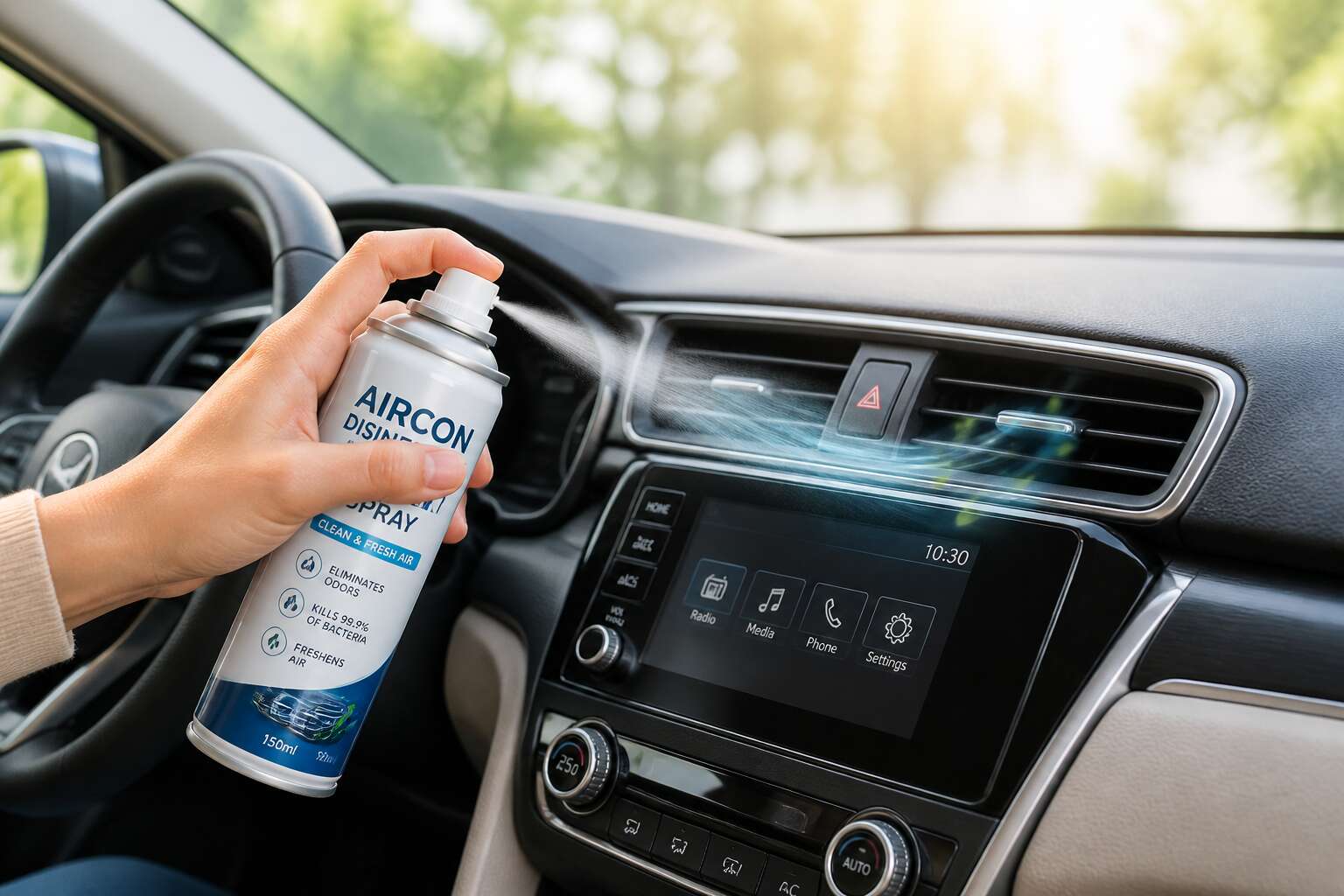
Understanding the Need for AC Disinfection
The Problem of Mold and Bacteria in Air Conditioning Systems
The moment you switch on your car’s air conditioning and are met with a musty, damp smell, you are encountering a hidden ecosystem. That odor is not just unpleasant; it is the chemical signature of microbial life thriving inside your ventilation system. When the aircon runs, it creates a cold, damp environment where moisture condenses on the evaporator coil. This dark, wet surface becomes the perfect breeding ground for mold spores and bacteria, which are then blown directly into the cabin with every gust of air.
The problem is relentless. Every time you use the system, you are circulating these contaminants, which can quickly become a health concern for you and your passengers.
– Mold spores can trigger allergic reactions and respiratory irritation.
– Bacteria colonies can contribute to unpleasant odors that cling to seat fabric.
– The accumulation of dirt and pollen reduces the overall cooling efficiency.
Addressing this requires more than just masking the smell with a fragrance. You need a targeted solution that penetrates the system and eliminates the source of the contamination. A quality car aircon disinfectant spray is designed to reach deep into vents and coat the evaporator core, neutralizing the harmful buildup. It breaks down the organic matter that allows these pathogens to survive, restoring a clean and healthy airflow. Using such a product is the only way to ensure the air you breathe on the road is as pure as the air you breathe at home.
Health Risks of Breathing Contaminated Air
According to the American College of Allergy, Asthma & Immunology, the air inside a vehicle can be up to six times more polluted than the air outside. For South Africans who spend hours in traffic, this statistic is a wake-up call. Your car’s ventilation system can become a reservoir for biological pollutants that compromise your respiratory health every time you switch the blower on.
The immediate consequence of inhaling airborne microbial debris is often mistaken for seasonal allergies. Drivers may experience sneezing, watery eyes, or a persistent dry cough without realizing the source is their vehicle’s evaporator coil. Over time, prolonged exposure to these contaminants can lead to more severe issues, including asthma exacerbations or infections in individuals with compromised immune systems.
– Shortness of breath during long commutes can indicate a reaction to mould spores.
– A runny nose that appears only while driving points to ventilation system contamination.
– Headaches and sinus pressure often arise from bacterial byproducts in the cabin air.
Allergens and irritants become embedded in the microscopic structure of the evaporator fins. The moisture that facilitates cooling also serves as a transport mechanism, pushing these particles deeper into the HVAC system. Without intervention, every journey becomes a repeated exposure event, compounding the stress on your body’s natural filtration systems.
The need for a targeted car aircon disinfectant spray goes beyond simple comfort. It is a direct response to the biological burden placed on your immune system each day. Neutralizing the source of contamination is the only way to break the cycle of re-exposure that keeps respiratory symptoms active. Climate conditions in Johannesburg or Durban, with their distinct humidity profiles, create ideal environments for these pathogens to persist, making regular disinfection a practical necessity for every motorist.
Signs Your Car’s AC Needs Disinfection
That faint, sweet smell when you first switch on the aircon often disappears after a minute. But the source remains. The evaporator core accumulates moisture and trapped particles, forming a biofilm. This film is active, regardless of whether you can detect its odour.
Your vehicle gives clear signals when the system becomes a microbial factory. Consider these common warnings:
– Airflow volume decreases even on the highest fan setting
– A sour, musty smell greets you after the car sits in the sun
– Window interiors fog up persistently, even with demister settings on maximum
– You notice a fine dust residue settling on the dashboard vents
These symptoms indicate the heat exchanger is clogged with organic matter. A car aircon disinfectant spray reaches these hidden surfaces directly through the drainage outlet. The treatment neutralises the growth without requiring parts to be removed or dismantled. Johannesburg’s highveld winters and Durban’s coastal humidity both accelerate this build-up. If you notice any of these signs, the system requires intervention before the contamination spreads further. Regular attention prevents the costly repairs that follow a neglected HVAC unit.
Choosing the Right Disinfectant Spray
Types of Disinfectants: Chemical vs. Natural
The choice of a cleaning agent is a small decision with significant consequences for your vehicle’s air quality. In South Africa’s climate, where a car aircon disinfectant spray is often used monthly, selecting the right formulation means understanding your tolerance for trade-offs. Harsh chemical blends often deliver immediate, potent results that eliminate deep-seated microbial growth, but they carry a sharp, lingering odor and may trigger sensitivities for passengers. For those seeking a gentler path, natural solutions offer a safer profile, though their efficacy can be less dramatic and require more frequent application.
Consider what you are asking the product to do. A thorough purge of organic matter demands a robust solvent. However, some products rely on aggressive compounds that can degrade the plastic vents over time. When evaluating your options, be mindful of these common pitfalls in chemical sprays:
– Aqueous-based formulas that leave moisture in the ducts.
– Products with strong perfumes that mask, rather than remove, the source.
– High-pressure cans that produce a wet mist instead of a fine, dry fog.
Natural variants, often using citric extracts or enzymatic cleaners, are effective for routine maintenance. They break down organic material without introducing toxins into the cabin, making them a sensible choice for families. The trade-off involves time; you may need to apply a natural car aircon disinfectant spray more consistently to prevent recurring smells. Regardless of your choice, a specific nozzle design is crucial. A can that delivers a thin, penetrating stream reaches the evaporator core, while a wide cone spray wastes product on the dashboard. Match the mechanism to the mission.
Key Ingredients to Look For
Selecting a car aircon disinfectant spray begins with reading the active ingredients, not the promises on the label. Look for quaternary ammonium compounds, often listed as benzalkonium chloride. These compounds break down biofilm, the sticky film that shields microbial colonies within the evaporator core. Alcohol-based carriers deserve attention. They evaporate quickly, leaving ducts dry and denying mold the moisture it requires to regrow.
Ingredients to seek out in any car aircon disinfectant spray include:
- Triethylene glycol, a low-toxicity compound that lingers in the air and neutralizes bacteria on contact.
- Silver ions, which provide residual protection against recolonization for weeks after application.
- Hydrogen peroxide stabilizers, which oxidize organic residue without corrosive damage to plastic vents.
A formula that combines these ingredients offers immediate elimination and lasting defense. Avoid products that rely solely on fragrance oils, which mask the problem while leaving the microbial source untouched.
How to Read Labels and Certifications
Choosing the right car aircon disinfectant spray often comes down to what the label actually says. For South African drivers, who deal with intense heat and humidity, the science behind the spray matters more than the marketing on the front of the can.
The first thing to look for is the registration number. In South Africa, disinfectants sold for public use must be registered with the South African Health Products Regulatory Authority (SAHPRA) or carry a compliance certificate under the Fertilizers, Farm Feeds, Agricultural Remedies and Stock Remedies Act (Act 36 of 1947). If the product lacks a valid number, you have no guarantee that the active ingredients are present in the correct concentrations.
Certifications are your second checkpoint. An independent certification, such as an EN 1276 or EN 14476 test result, indicates that the car aircon disinfectant spray has been verified against European standards for bactericidal and virucidal activity. Look for the specific pathogens tested, particularly Legionella pneumophila and Staphylococcus aureus. These are the common culprits behind the musty smell in your cabin.
Read the dilution instructions carefully. Some concentrated sprays require dilution before use in a fogging machine, while others are ready-to-use. Getting this wrong can either damage your evaporator coils or leave behind a residue that collects dust. The label will specify the contact time, usually between 5 and 10 minutes, which is the period the surface must remain wet to ensure effective killing. If the aerosol cannot physically reach deep enough into the vents due to a short nozzle, the listed efficacy is irrelevant. A spray with a long, flexible tube is a practical detail you will appreciate during the application.
Also, be wary of claims like “hospital grade” without context. While this sounds authoritative, the term is loosely used. Instead, look for the specific act under which it is scheduled or the specific bacteria it eliminates. Weigh the active ingredients mentioned previously against the actual label claims. A product effective against mold requires a fungicide, not just a general biocide. Ultimately, a label that provides transparent test data and specific usage instructions is your best defense against contaminated cabin air. That information is your tool for making an informed purchase.
Safety Considerations for Vehicle Interiors
When you use a car aircon disinfectant spray, safety should guide your method, not just the promise of a fresh cabin. Start by turning off the vehicle’s ignition and opening all windows to create proper ventilation. This simple step prevents chemical fumes from concentrating in the enclosed space, which can cause dizziness or respiratory irritation. You should also wear a basic dust mask and protective eyewear, especially if you have allergies or a sensitivity to strong odours.
Before you begin spraying, cover sensitive surfaces like leather seats, electronic displays, and fabric upholstery with a cloth or plastic sheeting. Certain chemical formulas can leave a sticky residue or cause discolouration on these materials. Additionally, check the label for any warnings about contact with rubber seals or plastic vents. A careful application protects your vehicle’s interior from unintended damage while you target the actual source of the odour.
– Keep pets and children away from the vehicle during the entire treatment process.
– Wait at least 15 to 20 minutes after spraying before you close the doors and run the air conditioning.
– Never point the nozzle directly at your face, and avoid inhaling the mist while it is dispersing.
Finally, consider that overusing a strong disinfectant might leave a lingering chemical smell inside the cabin. A light, even application is often more effective than saturating the vent system. If you have respiratory conditions like asthma, choose a water-based or low-VOC formula to minimise irritation. The goal is a clean system without compromising your health or the comfort of your passengers.
Comparing Popular Products on the Market
The musty scent that greets you when you switch on the air conditioner is more than an inconvenience; it is an announcement that mould has taken hold. Under the sweltering South African sun, drivers rely heavily on their vehicle’s cooling system, making its internal environment a perfect breeding ground for bacteria and fungi. Choosing the correct car aircon disinfectant spray is therefore a decision rooted in both comfort and respiratory health, not merely a matter of fresh fragrance.
When you survey the shelves, you will find a stark divide between foam cleansers and aerosol sprays. The foam variants are engineered to cling to evaporator coils, physically lifting dirt and microbial colonies before they drip away. This makes them ideal for a severely neglected system. Conversely, a quick-drying aerosol excels at neutralising odours within the ductwork, but it may leave the deeper biofilm untouched. The best method often involves a two-step approach: a targeted foam for the core, followed by a gentle mist for the airways.
Beyond the application style, scrutinise the chemical composition. High-quality products often rely on quaternary ammonium compounds, which are effective at breaking down biological residue. However, if you or your passengers suffer from allergies, you should consider a spray that uses citric acid or enzymes, as these leave minimal airborne particulates behind. Look for a formulation that dries completely without a tacky residue, ensuring that dust does not immediately re-adhere to the surfaces.
To guarantee you are purchasing a viable solution, check the packaging for the following attributes:
– A label explicitly stating its efficacy against bacteria and fungi.
– A nozzle that produces a steady, atomised mist, allowing for even distribution.
– A low-alcohol base, which prevents drying out plastic vents and rubber seals.
– A neutral pH to safeguard the aluminium fins of the evaporator.
The South African climate, with its intense heat and sporadic summer downpours, demands a product that can handle rapid humidity changes. A spray that merely masks the smell will fail within days, leaving you back at square one. Instead, invest in a product that offers lasting protection against recontamination. By prioritising a biological breakdown over a temporary fragrance, you ensure that every journey begins with clean air, protecting both the vehicle’s interior and the well-being of its occupants for the long haul.
Step-by-Step Guide to Using Disinfectant Spray
Preparing Your Vehicle for Treatment
Let us be honest, the interior of your vehicle is a repository for life’s less glamorous detritus. Before you even think about applying that car aircon disinfectant spray, you must address the chaos. A vent clogged with dust will only turn into a muddy paste when wet, and you will have traded a musty smell for a earthen one. Remove all trash, stray papers, and the rogue takeaway wrapper that has taken up residence under the passenger seat.
Use a vacuum to clear the seats and carpets of loose particles. This prevents the agitators in your cleaning process from stirring up allergens into the cabin air. It is also wise to wipe down the dashboard and vents with a dry microfiber cloth. You need a bare surface for the treatment to adhere to, not a layer of sunscreen and skin oils that will block the active ingredients.
Consider the weather before you begin. High humidity will dilute the solution, while extreme heat may cause it to evaporate before it can dwell on the surfaces. The ideal environment is a garage or a shaded area where the temperature is moderate. A quick checklist before you commit to the treatment:
– Remove all personal items from the cabin.
– Vacuum the seats, floors, and trunk thoroughly.
– Clean the air intake vents with a dry brush.
– Ensure all windows are fully closed.
Finally, adjust your seat position. You will need access to the cabin filter and the central vents without contorting your body into an unflattering position. Preparation is the only way to ensure the disinfectant reaches the evaporator, which is the true source of your olfactory woes. Skip this step, and you are merely perfuming the problem.
Applying the Spray Correctly
The moment of transformation begins with the physical act of application, where the car aircon disinfectant spray becomes more than a product; it becomes a ritual of renewal. The canister feels cool in your hand, a promise of the cleanliness it will deliver to the hidden recesses of your dashboard.
First, locate the cabin air intake, usually found at the base of the windshield. With the engine running and the AC set to its highest fan speed, direct the spray into this aperture. The internal blower will carry the mist through the ductwork. Use short, measured bursts to avoid overwhelming the system.
The preparation you undertook moments ago now pays its dividend. The dry vents and bare surfaces allow the spray to coat the evaporator core directly. A common sequence for this procedure is:
1. Attach the flexible straw to the nozzle.
2. Shake the can vigorously for 30 seconds.
3. Spray into the intake for 60 seconds.
4. Turn the AC off and let the system sit for five minutes.
The aerosol must dwell on the surfaces to eliminate the microbial colonies. After the dwell time, run the system on cool for another ten minutes to clear the ducts and circulate the fresh scent. The result is a cabin that breathes clean air, a sanctuary free from the ghosts of past seasons. The entire process takes less than fifteen minutes, yet it offers a return to a purely sensory comfort. This manual effort bridges the gap between a neglected system and a pristine one, a quiet victory for the driver who values the air they breathe. Following this, the next step is maintaining that freshness with a regular maintenance guide.
How Long to Let It Sit
The transformative power of a car aircon disinfectant spray lies in the precision of its application and the patience of its dwell time. Once you have located the cabin intake and set the blower to maximum, the sequence is simple yet critical for ensuring the antimicrobial agents reach the evaporator core.
– Set the system to recirculation mode.
– Insert the nozzle directly into the intake vent.
– Depress the trigger for five seconds, then pause.
– Repeat this cycle until the canister is empty.
After spraying, you must resist the urge to turn off the engine immediately. The secret is allowing the mist to settle. Shut the vehicle down and leave the doors closed for at least ten minutes. This dormant period is not a waste of time; it is the interval where the active ingredients dissolve lingering spores and neutralize odour-causing bacteria trapped deep within the coil fins.
Once the wait is over, start the engine and switch the air conditioning to fresh air mode. Run the fan on high for a final five minutes to purge the system of any residual moisture and chemical haze. This ventilation step ensures that when you next slide into the driver’s seat, the cabin is left with a crisp, neutral atmosphere rather than a heavy, chemical scent. The entire ritual, from the initial burst to the final clearing breeze, takes less than a quarter of an hour, but the result is a noticeably cleaner breathing environment for every journey that follows.
Post-Treatment Ventilation Tips
After the dwell time, the ventilation phase is where most people cut corners. I’ve seen it happen too often. The car aircon disinfectant spray has done its job, but the cabin still smells chemical because the system wasn’t purged properly. Start the engine and switch to fresh air mode immediately. Open the windows a few centimeters to create crossflow.
Run the blower through a simple sequence:
- High speed for five minutes to push out residual mist.
- Medium speed for two minutes to dry the evaporator fins.
- Low speed for one minute to stabilize airflow.
This gradual taper prevents sudden temperature shifts that can recondense moisture. The result is a neutral cabin, ready for your next journey.
Maintenance and Prevention Tips
Regular Cleaning Schedules
Most vehicle owners clean the visible interior, but the air conditioning system often gets ignored until a musty smell appears. That smell is the first sign of bacteria and mold building up in the evaporator. A consistent schedule prevents this problem before your family breathes in contaminated air.
A good rule is to treat your system every three months.
That timing works for most drivers, but your situation might require more frequent attention. If you park outdoors in a humid climate like Durban’s, or if you frequently use your AC on dusty roads, switch to a monthly routine. The same applies to anyone who regularly transports pets or children. These factors introduce more particles into the system, which means the filter and coils need more regular defense.
Here is a simple schedule to follow:
1. Replace the cabin air filter every 10,000 to 15,000 kilometers.
2. Apply a car aircon disinfectant spray every 90 days for standard use.
3. Run the AC on fresh air mode for ten minutes each week, even in winter, to dry out the system.
This frequency is affordable and takes less time than a basic car wash. Skipping the schedule allows organic matter to settle, creating a biofilm that is harder to remove later. You can extend the life of your compressor and avoid costly professional cleaning by sticking to this simple rhythm. The goal is simple: make it a habit so you never have to chase a bad smell again.
Replacing Cabin Air Filters
A Stale Smell Is a Warning, Not a Quirk
That musty scent when you switch on the aircon is your car trying to tell you something. It’s not a minor nuisance, nor is it something you should mask with a hanging tree. The odour signals that moisture has settled somewhere it doesn’t belong, likely on the evaporator core. When you apply a good car aircon disinfectant spray, you are addressing the root cause. You’re not just refreshing the cabin; you are removing the biofilm and bacteria that thrive in the dark, damp recesses of the ventilation system. An untreated system doesn’t just smell bad; it circulates allergens and microbes every time you drive.
Preparing the Cabin for the Treatment
Before you spray, you need to clear the stage. Remove any personal items, floor mats, and rubbish from the cabin. A cluttered car makes it harder to access the vents and can trap moisture after the application. Also, check your cabin air filter. If it looks grey, dusty, or clogged, replace it before you apply the spray. The filter is a physical barrier; treating the system with a dirty filter in place is like washing a window and then closing the curtains. A fresh filter ensures the spray reaches the evaporator and that the air you breathe afterward is actually clean. Make sure the car is parked in a shaded, well-ventilated area, preferably with the windows down for the initial stage of the process.
Locating the Intake and Applying the Spray
The critical step is finding the external air intake, usually located at the base of the windshield on the passenger side. This is where the system pulls fresh air from. Start the engine and turn the aircon to the coldest setting, with the fan on high and the recirculation turned off. Now, shake the can well and apply the car aircon disinfectant spray directly into the intake. Work in short, controlled bursts. You are aiming for the evaporator, not just the ducts. As the spray is sucked in, it travels through the entire system, coating the coils where the moisture accumulates. You’ll likely see the mist exit through the cabin vents, which is a good sign; it means the product is reaching the full length of the pathway.
Letting the Solution Dwell and Work
After the initial application, switch the aircon to recirculation mode. This keeps the mist inside the system rather than pushing it straight out. Close the car doors and let the engine run for about ten minutes. This dwell time is essential. The active ingredients in the disinfectant need time to neutralise the bacteria and fungal spores clinging to the surfaces. If you cut this step short, you’re only performing a superficial clean. The fan should continue running throughout this period. Once the timer is done, turn off the aircon and open all the doors. Let the car air out completely. You shouldn’t smell perfume or heavy chemical notes when the treatment is done right; you should simply smell nothing noticeable or, at best, a clean, neutral scent.
The Final Flush and a Consistent Habit
Once the car is aired out, start the engine and run the aircon normally. If you still notice a slight smell, you might need a second application, but usually, one thorough pass is enough. For future maintenance, focus on prevention. Before you park and switch off the engine, turn off the aircon but leave the fan running for a few minutes. This pushes the cold, damp air out of the vents, leaving the system drier. A car aircon disinfectant spray is a potent tool, but pairing it with this small habit will significantly extend the freshness of your cabin. It stops the problem from becoming routine, and it keeps your driving environment comfortable for you and your passengers.
Using Other AC Care Products
Maintenance and Prevention Tips Using Other AC Care Products
A single application of a quality car aircon disinfectant spray can work wonders, but it is not a permanent solution. For long-lasting results, you need to pair that deep clean with a routine that targets the root causes of odour. The primary culprit is always moisture, so your strategy should focus on keeping the system dry and free of organic build-up.
Beyond the spray, you should consider using specific products designed to maintain the system between deep cleans. An evaporator cleaner is a strong option, as it breaks down the biofilm that a standard spray might miss. You can also use a dedicated anti-bacterial treatment that is safe for AC systems and designed to be used every few months. These products act as a maintenance layer, stopping bacteria from repopulating the vents.
To build an effective routine, you should follow a simple schedule. Doing this will save you time and money, and you will avoid the need for costly repairs down the line.
1. Clean the cabin filter: Replace it every 10,000 to 15,000 kilometres, or every six months, whichever comes first.
2. Use a drying technique: Turn off the AC compressor a few minutes before reaching your destination, leaving the fan running to blow dry the coils.
3. Reapply the car aircon disinfectant spray: Do this every three months to maintain a fresh system, especially before the humid summer season.
Using these maintenance measures means the active ingredients in your car aircon disinfectant spray will have a much easier job. The system will stay cleaner for longer, and you will avoid the stale, musty air that often returns after a single treatment. Consistency is the key to a healthy cabin environment.
When to Seek Professional Help
No one expects a single product to function indefinitely. The law of entropy applies to every mechanical system, and your car’s air conditioner is no different. After months of diligent self care, the internal environment can still reach a tipping point where consumer level interventions fall short. This is not a failure of your routine, it is simply the physical reality of a complex system.
At this stage, a professional service technician becomes an essential ally. These experts possess tools that operate beyond the scope of the average driver. A specialised machine can flush the entire evaporator core with a high pressure chemical solution, removing the deep seated biofilm that a car aircon disinfectant spray cannot physically reach. Furthermore, they can access hidden sensors and drainage tubes that often harbour stagnant water, a common source of persistent odours that survives even the most rigorous DIY deodorising.
You should look for the distinct signals that indicate your direct intervention is no longer sufficient. If the airflow has become noticeably weaker despite a clean filter, this suggests a blockage within the ducts. Likewise, if a water stain appears on the passenger side floor mat, it points to a clogged condensate drain, which requires immediate mechanical attention. These issues are invisible from the outside and cannot be resolved with aerosol application.
Professional intervention is also the appropriate response when the odour shifts from a mild mustiness to a sharp, chemical, or sweet smell. This change can indicate a leaking heater core or a compromised seal, issues that present a genuine health hazard. The systemic maintenance you have performed with a regular car aircon disinfectant spray will make the technician’s job faster and less expensive. Ultimately, their assistance is the definitive measure for ensuring the longevity and purity of your vehicle’s cabin.
DIY vs. Professional Services
Continuing from the previous discussion, respecting the balance between self-maintenance and professional care is key. A dedicated routine with a quality car aircon disinfectant spray often prevents the build-up of harmful microbes. This is your first line of defence for a fresh cabin. However, there is a clear distinction between regular upkeep and complex system failures.
For the average driver, the DIY route handles surface-level contamination. You can manage the vents and internal air pathways with a reliable spray. This is cost-effective and ideal for bi-annual freshening. But for persistent issues, the professional service is not a luxury. It is a necessity. They possess the equipment to treat the entire system, including the deep-set evaporator core that DIY methods cannot reach.
To help you decide, consider the following approach:
– Budget Assessment: DIY sessions are a fraction of the cost of a full professional service. However, affecting a repair yourself without the correct tools can lead to expensive damage.
– Frequency of Use: High usage, particularly in dusty South African conditions, demands more frequent attention. A professional deep-clean is recommended annually, while a DIY spray can be used every few months.
– Warranty Considerations: Incorrect application of chemicals can void certain vehicle warranties. Professional services always adhere to manufacturer standards.
Ultimately, the best strategy involves using a car aircon disinfectant spray for ongoing care. This preserves the system health and extends the interval between professional interventions. This simple routine keeps the air pure and the system efficient, ensuring every drive begins with clean, breathable air.
Common Mistakes to Avoid
Sure, here is the article section you requested, written to be engaging and informative for a South African audience.
—
Beyond the initial spray, there’s a rhythm to keeping your cabin air pristine. Integrating a car aircon disinfectant spray into your routine is the first line of defence, but true freshness comes from a holistic approach.
Think of your vehicle’s ventilation as a network that needs consistent, gentle care. A quick spray every other month tackles surface odours and keeps the system smelling clean. However, the environment in South Africa, with its unique blend of Highveld dust and coastal humidity, demands a more thorough strategy.
To get the most out of your efforts, keep this sequence in mind for a seasonal deep clean:
– Start by replacing the cabin air filter; this is the gateway to the entire system. A clogged filter renders any spray ineffective.
– Next, run the blower fan on high with the recirculation mode off before applying your chosen car aircon disinfectant spray. This clears loose debris.
– Then, apply the spray directly into the air intake vents, usually located at the base of the windscreen, allowing the fan to pull the mist through the evaporator core.
– Finally, switch to recirculation mode with the AC on full cold and direct the airflow into the footwells and dash vents for ten minutes before turning the engine off.
While this method is effective, it’s equally important to understand what not to do. Many owners inadvertently cause damage by making simple errors.
The most common mistake is oversaturating the system. A heavy, soaking application can lead to moisture pooling in the blower motor, which eventually causes electrical shorts or a burnt-out resistor. Another frequent error is choosing a cheap, alcohol-based product. These can dry out the rubber seals and plastic vanes inside the ducting, leading to cracks and a whistling noise from your vents.
Furthermore, don’t neglect the evaporator drain tube. If this tube becomes blocked with dirt, the condensation from your aircon has nowhere to go. This water will back up into the cabin, often creating a musty smell that your car aircon disinfectant spray won’t fix. A simple check and a gentle poke with a thin wire can prevent a significant repair bill.
Avoid using a spray while the engine is off and the ignition is only in the “on” position. Without the fan running, the chemical sits in one spot, potentially corroding the delicate plastic surfaces over time. Always ensure the blower motor is running to distribute the product evenly and safely.
0 Comments