
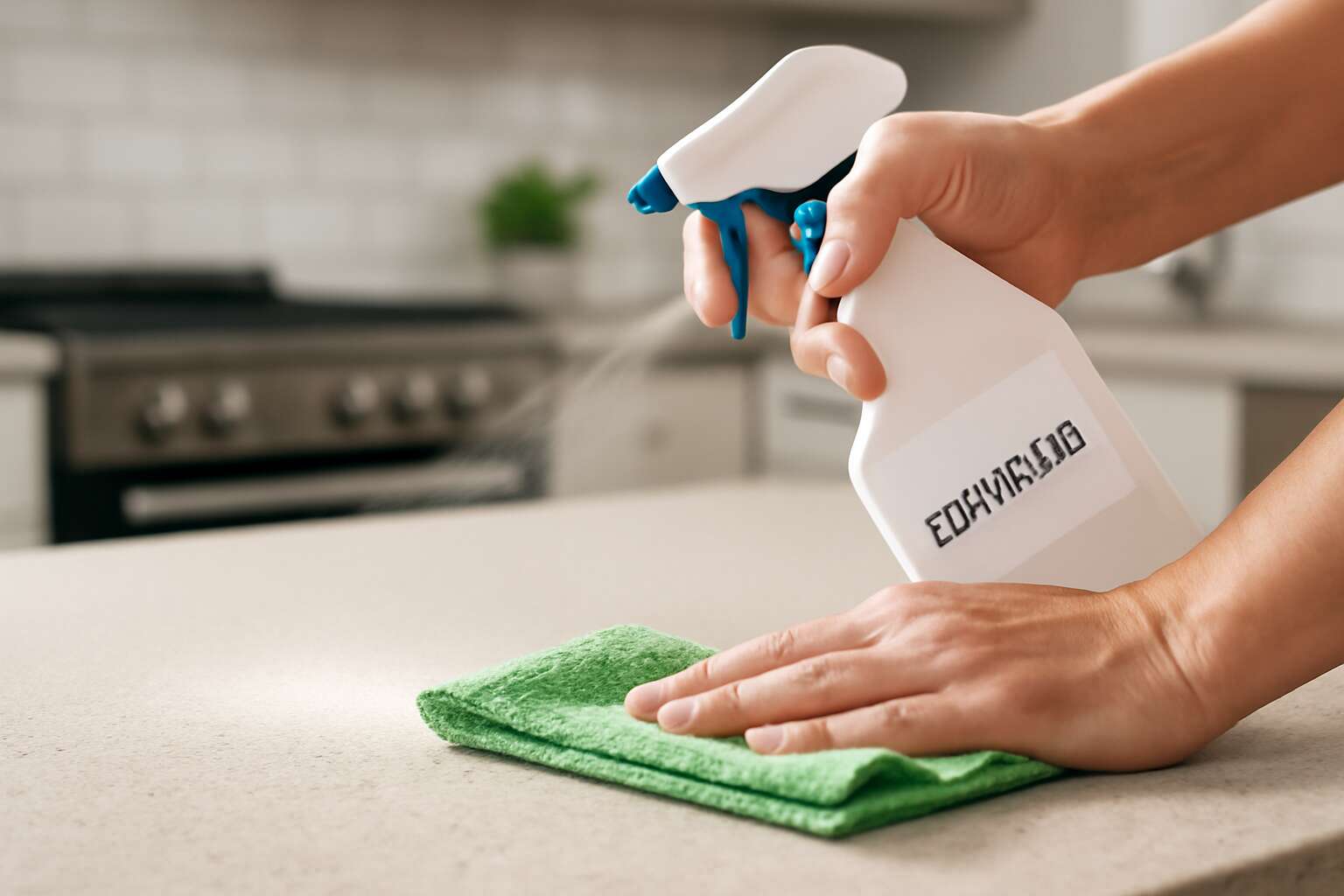
Understanding the Basics: Disinfectant and Disinfection
What is a Disinfectant?
In the labyrinth of hygiene, understanding the difference between a disinfectant and disinfection is crucial—yet often misunderstood. A disinfectant is not merely a cleaning agent; it’s a potent weapon in the war against invisible foes—germs, bacteria, and viruses that lurk in the shadows of our daily lives. When applied correctly, it acts swiftly, penetrating surfaces to obliterate pathogens and restore a semblance of safety. But how does this differ from the broader act of disinfection?
Disinfection, in essence, is the process—an orchestrated dance of chemicals and techniques—aimed at drastically reducing infectious agents to safe levels. Think of it as the meticulous craft of erasing the threat rather than just cleaning away dirt. While the terms are often used interchangeably, understanding their nuanced relationship is vital for effective sanitation. The key lies in knowing that using a disinfectant is a vital step within the larger, deliberate act of disinfection—a strategic move in the ongoing battle against disease transmission.
What is Disinfection?
In the realm of hygiene and health, understanding the difference between disinfectant vs disinfection is essential, especially when safeguarding loved ones in rural communities. Disinfection isn’t just about wiping surfaces; it’s a precise process that significantly reduces the risk of infection. While a disinfectant is a chemical product designed to target harmful pathogens, disinfection is the deliberate act of applying that product effectively to surfaces or objects.
This process involves careful selection of disinfectants suitable for specific environments and surfaces. For example, in South Africa’s rural households, using the correct disinfectant ensures that bacteria and viruses are eradicated without causing harm. Sometimes, the effectiveness of disinfection hinges on the right timing and technique, emphasizing the importance of understanding how disinfectant vs disinfection interplay to maintain a safer living space.
- Identify the surface or item to be disinfected.
- Choose a suitable disinfectant based on the surface and the pathogens you aim to eliminate.
- Apply the disinfectant thoroughly, allowing it to sit for the recommended contact time.
By appreciating the nuances between disinfectant vs disinfection, communities can better protect themselves and foster healthier environments. It’s a small but powerful step toward resilience and well-being, especially where healthcare resources are limited but the desire for safety remains strong.
Key Differences Between Disinfectant and Disinfection
Definition and Purpose
In the symphony of hygiene, understanding the key differences between disinfectant and disinfection is vital—each note playing a distinct role in the melody of cleanliness. A disinfectant, the potent maestro, wields chemical prowess to annihilate germs on surfaces, transforming chaos into order. Meanwhile, disinfection is the deliberate act, a ritual of applying such agents, orchestrating a sanctuary of safety from invisible threats. It’s not merely about cleaning but about wielding a purposeful weapon against microbial armies.
While the terms are often used interchangeably, the truth is that their distinction is pivotal. Disinfectant vs disinfection—one is the tool, the other the process; one is a substance, and the other, a strategy. This nuanced understanding ensures that every effort in South Africa’s diverse environments is both effective and precise. Whether in bustling clinics or quiet homes, knowing the difference empowers us to craft spaces that breathe health and vitality.
Application and Usage
In the intricate dance of maintaining pristine environments, understanding the subtle yet significant **disinfectant vs disinfection** distinctions can make all the difference. The application of a disinfectant is akin to deploying a finely-tuned weapon—each spray or wipe is a calculated strike against microbial invaders. But the process of disinfection itself is a calculated ritual, a deliberate act that transforms a mere surface cleaning into a strategic hygiene intervention.
Consider the various scenarios in South Africa—whether in a busy healthcare setting or a cozy home. The choice and method of applying disinfectants are vital. It’s not just about pouring or spraying; it’s about timing, contact duration, and surface compatibility. To clarify, here’s a quick insight into the application process:
- Identify the surface that requires disinfection.
- Apply the disinfectant evenly, ensuring complete coverage.
- Allow the proper contact time—no quick dabs here!
- Wipe or rinse if required, then let the surface air dry.
In essence, the distinction between disinfectant and disinfection is a matter of strategy versus substance. Recognizing this helps us deploy the right tools and techniques, elevating hygiene standards across South Africa’s diverse environments. Because, after all, effective disinfection hinges on both the potency of the disinfectant and the precision of its application.
Time and Method
The distinction between disinfectant and disinfection isn’t just academic—it’s a matter of life and death in environments where microbial threats lurk unseen. While a disinfectant is a potent chemical, the process of disinfection transforms routine cleaning into a strategic act of hygiene. Time and method are the silent forces that determine the effectiveness of this transformation.
Disinfectant application demands precision: the right amount, even coverage, and sufficient contact time. Without these, the chemical’s power is rendered inert, leaving surfaces vulnerable. Disinfection, on the other hand, is a deliberate ritual—an intentional sequence that ensures microorganisms are truly eradicated. It’s this choreography that separates superficial cleaning from genuine pathogen control.
Understanding the key differences between disinfectant and disinfection reveals a deeper truth: strategy and substance are inseparable in the quest for a safe environment. In South Africa’s diverse spaces, whether hospitals or homes, the difference can be the difference between health and harm. And in this dance of hygiene, timing and technique hold the ultimate power.
Chemical Composition
When it comes to battling invisible enemies, understanding the chemistry behind disinfectant vs disinfection is crucial. Disinfectants are the chemical warriors—powerful compounds designed to kill or inactivate microbes on surfaces. They often contain active ingredients like alcohol, quaternary ammonium compounds, or chlorine, each bringing its own atomic arsenal. Meanwhile, disinfection isn’t just about slapping on a chemical; it’s about orchestrating a chemical dance with precise composition and contact time.
To truly grasp the difference, consider this: disinfectants are the ingredients, but disinfection is the recipe. The key lies in the chemical composition and how it’s applied. For example, some disinfectants rely on alcohols that evaporate quickly, requiring rapid application, while others, like bleach, need prolonged contact to do their magic.
Here’s an overview of common disinfectant ingredients:
- Alcohols (ethanol, isopropanol)
- Chlorine compounds (bleach)
- Quaternary ammonium compounds
Each of these chemicals plays a vital role, but without proper technique—adequate concentration, contact time, and coverage—they become mere chemicals rather than effective disinfectants. The chemistry of disinfectant vs disinfection isn’t just about ingredients; it’s about how those ingredients are wielded for maximum microbial annihilation.
Effectiveness and Spectrum
When considering disinfectant vs disinfection, one of the most intriguing differences lies in their effectiveness spectrum. Disinfectants are the potent agents—each with a unique mode of action—designed to combat specific microbes or a broad range of microorganisms. Some disinfectants excel at eliminating bacteria but may fall short against viruses, while others boast a wider antimicrobial spectrum. The magic truly happens when the right disinfectant is paired with the correct disinfection process, ensuring maximum microbial eradication.
Disinfection’s effectiveness isn’t solely about the chemical ingredients; it hinges on how thoroughly and evenly the process is executed. Proper contact time, concentration, and surface coverage determine whether the disinfectant can achieve its full potential. For instance, alcohol-based disinfectants rapidly neutralize bacteria but require swift application, whereas chlorine compounds demand a more prolonged contact to successfully dismantle resilient pathogens.
- Identify the target microorganisms
- Choose a disinfectant with an appropriate spectrum
- Ensure proper application techniques and contact time
Understanding these nuances ensures that disinfectant vs disinfection isn’t just a theoretical debate but a practical strategy to keep environments safe and sterile. It’s a delicate dance—where chemistry and technique combine—to guarantee microbial destruction at its finest!
Types of Disinfectants and Disinfection Methods
Common Types of Disinfectants
In the realm of maintaining pristine environments, the choice of disinfectants and disinfection methods can transform spaces from perilous to pristine. The spectrum of disinfectants is as diverse as the mythical creatures guarding ancient secrets, each crafted to combat specific pathogens with precision. These potent substances—ranging from alcohol-based solutions to quaternary ammonium compounds—are the enchanted talismans wielded by those seeking to uphold hygiene standards.
When exploring disinfectant vs disinfection, understanding the types of disinfectants available is crucial. Common types include chemical disinfectants, which are most often used in healthcare settings; natural disinfectants, like vinegar and essential oils, favored for eco-conscious applications; and advanced formulations designed for high-touch surfaces in public spaces. The effectiveness of each depends heavily on the chosen disinfection method—whether it’s wiping, soaking, or fogging—each method casting its own spell of cleanliness. In South Africa, where health and sanitation are paramount, selecting the right disinfectant and method is akin to summoning the guardian of purity in every corner of life.
Different Disinfection Techniques
In the ongoing debate of disinfectant vs disinfection, understanding the types of disinfectants available is essential to forging a path toward true cleanliness. These substances are crafted with purpose—each designed to target specific pathogens and environments. Chemical disinfectants, such as alcohol-based solutions and quaternary ammonium compounds, often dominate healthcare settings due to their rapid action and broad spectrum. Natural disinfectants, like vinegar and essential oils, appeal to those seeking eco-friendly alternatives, proving that effective sanitation doesn’t always come from a bottle of chemicals.
When it comes to disinfection methods, the technique chosen can be just as crucial as the disinfectant itself. Wiping, soaking, fogging—each method casts a different spell of cleanliness. For example, fogging can reach hidden corners, while wiping provides tactile assurance of surface contact. For high-touch surfaces in public spaces, combining disinfectant with advanced disinfection techniques ensures optimal hygiene. In the battle of disinfectant vs disinfection, understanding these methods reveals how the right combination of product and process can transform a space from hazardous to pristine.
Choosing the Right Disinfectant and Method
Choosing the right disinfectant and disinfection method is crucial for maintaining hygiene, especially in high-risk environments. Different disinfectants come with varied chemical compositions—alcohol-based solutions, quaternary ammonium compounds, or natural options like vinegar—that each target specific pathogens effectively. For instance, alcohol-based disinfectants are popular in healthcare settings due to their rapid action and broad spectrum, but natural disinfectants appeal to eco-conscious users seeking sustainable solutions.
When it comes to disinfection methods, the choice influences the overall effectiveness. Techniques such as wiping, soaking, or fogging each serve a purpose. Wiping offers tactile reassurance, while fogging can penetrate hard-to-reach corners, ensuring comprehensive sanitation. The combination of a suitable disinfectant with an appropriate disinfection method can dramatically reduce contamination levels and elevate hygiene standards. Understanding these distinctions clarifies the ongoing disinfectant vs disinfection debate, highlighting the importance of both product and process in achieving true cleanliness.
When to Use Disinfectant vs Disinfection
In Residential Settings
In the bustling heart of South African homes, knowing when to rely on a disinfectant versus full disinfection can mean the difference between fleeting cleanliness and lasting protection. While disinfectant vs disinfection often appears intertwined, their roles in safeguarding your sanctuary are distinct yet equally vital. A spray of disinfectant might suffice for daily touch-ups on kitchen counters, but when a household member falls ill, a thorough disinfection becomes paramount to eliminate resilient germs.
Imagine a scenario where a child contracts a stomach bug; this is when a comprehensive disinfection process should be employed to ensure every nook and cranny is sanitized. For routine cleaning, a reliable disinfectant works wonders, but during outbreaks or after illness, deep disinfection techniques are essential to eradicate unseen microbial foes. Understanding these differences helps create a safer, healthier environment—one where every surface, from the kitchen to the bathroom, becomes a fortress against infection.
In Commercial and Healthcare Environments
In bustling South African hospitals and busy clinics, knowing when to use a disinfectant vs disinfection can significantly influence patient safety and operational efficiency. In these environments, the stakes are higher—germs are relentless, and microbial resistance can develop rapidly. While a disinfectant might be enough for daily cleaning of medical equipment or high-touch surfaces, a full disinfection process becomes critical after procedures or for outbreak control.
During an infectious disease outbreak, a methodical disinfection routine—often involving specialized techniques—becomes essential for eliminating resilient pathogens. It’s not just about surface cleanliness but about ensuring that every crevice and equipment piece is free from microbial threats. Here, employing the right disinfection methods aligned with the specific circumstances ensures a safer environment for both staff and patients. Recognizing the difference between disinfectant vs disinfection isn’t merely academic; it’s a vital component of effective infection prevention in healthcare and commercial settings across South Africa.
In Public Spaces and Transportation
In the shadowed corridors of bustling South African cities, where life’s chaos intertwines with unseen threats, understanding when to deploy a disinfectant versus full disinfection becomes paramount. Public spaces—markets, transport hubs, and crowded streets—are battlegrounds against microbial invasion. Here, a quick spritz of disinfectant may suffice for surface cleaning, but when the threat of resilient pathogens looms, a comprehensive disinfection ritual is imperative.
In transportation—buses, trains, and airplanes—the stakes are even higher. High-touch surfaces demand regular application of disinfectants, yet during outbreaks or after the arrival of infected passengers, a thorough disinfection process is essential to eradicate lingering microbial shadows. Disinfectant vs disinfection becomes a matter of scale and urgency: the former offering immediate microbial suppression, the latter ensuring complete eradication over critical areas. Recognizing this distinction is vital to maintaining safety in these transient, often chaotic environments.
Safety and Precautions
Handling Disinfectants Safely
Handling disinfectants safely is a vital aspect of maintaining a hygienic environment—one often overlooked amidst the buzz of disinfectant vs disinfection debates. Despite their efficacy, disinfectants contain potent chemicals that can pose health risks if misused. Proper precautions are essential to prevent skin irritation, respiratory issues, or accidental ingestion. Wearing gloves, masks, and ensuring good ventilation can make all the difference when working with these powerful agents. It’s surprising how many underestimate the importance of these simple steps, especially in high-traffic areas like South African public spaces where cleanliness is non-negotiable.
Remember, the key to effective and safe disinfection lies not just in choosing the right disinfectant but also in understanding how to handle it responsibly. A clear understanding of disinfectant vs disinfection often helps clarify the purpose of each step, but safety remains paramount. To avoid mishaps, always follow manufacturer instructions and keep disinfectants out of reach of children and pets. With these precautions in place, you can confidently ensure a sanitized environment without compromising safety or health!
Proper Disinfection Procedures
Ensuring safety during disinfection processes is crucial, especially in busy South African public spaces where the risk of exposure to harmful chemicals is higher. While choosing the right disinfectant is important, how it is handled often determines the overall safety of the environment. Misuse or neglecting basic precautions can lead to skin irritation, respiratory issues, or worse—accidental poisoning. Proper disinfection procedures are essential to prevent these hazards and maintain a healthy space for everyone.
When working with disinfectants, always follow manufacturer instructions meticulously. Wearing protective gear such as gloves and masks, and ensuring good ventilation, makes all the difference. For added safety, consider implementing a step-by-step approach:
- Read labels carefully;
- Use only approved disinfectants for specific surfaces;
- Store disinfectants out of reach of children and pets;
and never underestimate the importance of these simple yet effective precautions. Understanding the difference between disinfectant vs disinfection clarifies the purpose of each step, but safety should always take precedence. Responsible handling ensures that the disinfectant’s potency is harnessed without compromising health or safety.
Environmental Impact and Sustainability
Safety and environmental impact are often overlooked in the discourse surrounding disinfectant vs disinfection, yet they are fundamental to responsible sanitization. The chemicals in disinfectants can pose serious health risks if misused, especially in densely populated South African public spaces where exposure levels are higher. Proper precautions—such as using gloves, masks, and ensuring adequate ventilation—are vital to prevent skin irritations or respiratory issues. Moreover, the long-term environmental footprint of disinfectants must not be ignored; many contain chemicals that can contaminate water sources and harm wildlife.
To mitigate these concerns, it’s essential to prioritize sustainability. Opting for eco-friendly disinfectants that break down quickly and do not persist in the environment ensures a safer planet. Here’s a simple step to embed sustainability into your routine:
- Choose disinfectants with biodegradable components.
Understanding the nuances between disinfectant vs disinfection enables us to make conscious choices that balance efficacy with environmental responsibility. Responsible handling and thoughtful selection of disinfectants are not just about safety—they are moral imperatives that shape the health of our communities and ecosystems alike.
Choosing the Right Disinfectant and Disinfection Method
Factors to Consider
Choosing the right disinfectant and disinfection method is akin to selecting the perfect suit—each detail matters and can make all the difference in effectiveness and safety. With a plethora of options available, understanding the nuances of disinfectant vs disinfection becomes crucial. Not all disinfectants are created equal; some boast rapid action and broad-spectrum efficacy, while others may be more environmentally friendly but less potent against certain pathogens.
When evaluating disinfection methods, consider factors such as surface compatibility, contact time, and the environment’s unique demands. For instance, a hospital’s stringent sterilization needs demand a different approach than maintaining a pristine home kitchen. To streamline the decision process, it can help to focus on:
- Type of surface or material
- Potential for chemical interactions
- Impact on the environment and sustainability
Ultimately, understanding the distinctions and applications of disinfectant vs disinfection ensures you select the most appropriate tools and procedures—an essential step in safeguarding health and hygiene efficiently and responsibly.
Regulatory Standards and Certifications
Regulatory standards and certifications play a crucial role in the disinfectant vs disinfection debate. With strict guidelines from health authorities, selecting a disinfectant that meets recognized standards ensures both safety and effectiveness. Look for products certified by reputable organizations, such as the South African Bureau of Standards (SABS) or international agencies. These certifications guarantee that the disinfectant has undergone rigorous testing and adheres to quality benchmarks.
When evaluating disinfection methods, it’s vital to consider compliance with local regulations. For example, in healthcare settings, only certified disinfectants are permissible to guarantee pathogen control. Additionally, understanding the distinction between disinfectant vs disinfection helps in choosing methods aligned with regulatory standards. It’s not just about effectiveness; sustainability and safety are equally paramount. Ensuring your disinfection practices meet these standards is a key step in maintaining health and safety protocols that are both responsible and reliable.
Expert Recommendations
Choosing the right disinfectant and disinfection method is a nuanced decision that hinges on understanding both the chemistry involved and the context of application. In environments where safety and compliance are non-negotiable, expert recommendations often emphasize selecting disinfectants with proven efficacy and recognized certifications. Products endorsed by reputable organizations such as the South African Bureau of Standards (SABS) offer a layer of assurance that the disinfectant vs disinfection process meets rigorous quality benchmarks.
When evaluating disinfection approaches, consider the specific spectrum of pathogens you aim to control. Sometimes, a simple disinfectant, applied correctly, suffices; at other times, a more intricate disinfection method, involving advanced techniques like UV-C light or fogging, might be necessary. It’s essential to match the disinfectant vs disinfection method to the environment—be it healthcare, commercial, or public spaces—ensuring adherence to local regulations and safety standards. After all, effectiveness isn’t solely about eradication; sustainability and environmental impact should also influence your decision, fostering practices that are both responsible and resilient.
FAQs About Disinfectant and Disinfection
Common Questions and Myths
Many people wonder about the differences between disinfectant vs disinfection, especially when it comes to keeping homes and workplaces safe. A common question is whether using a disinfectant alone guarantees complete sanitation. The truth is, while disinfectants are crucial, they are just one part of the disinfection process. Disinfection involves specific procedures to eliminate germs, viruses, and bacteria, but understanding the nuances can make all the difference in effective hygiene practices.
Some myths persist that any cleaning product labeled as a disinfectant will instantly eradicate all pathogens. However, the effectiveness of disinfectant vs disinfection depends heavily on proper application, contact time, and the surface type. For example, a disinfectant may be powerful against certain bacteria but less so against viruses if not used correctly. Knowing these distinctions ensures that disinfection protocols are both safe and effective, protecting not just surfaces but the health of everyone in the space.
In fact, an essential part of the process involves understanding common questions surrounding disinfectants, such as:
- Can I reuse disinfectant solutions?
- How long should I leave a disinfectant on a surface?
- Are all disinfectants environmentally friendly?
Clarifying these queries helps dispel myths, ensuring that the use of disinfectant vs disinfection is optimized for each unique setting, from rural clinics to busy urban transit hubs. Effective disinfection isn’t just about products but about applying them thoughtfully and consistently.
Expert Answers
When delving into the realm of hygiene, questions about disinfectant vs disinfection often surface with a sense of urgency. It’s tempting to believe that simply squirting a disinfectant on a surface will guarantee complete elimination of pathogens. However, expert insights reveal that disinfection isn’t merely about applying a chemical; it’s a carefully orchestrated process requiring precision and understanding. A common misconception is that any disinfectant product, once used, instantly renders a space sterile. In reality, the effectiveness hinges on factors like contact time, surface material, and proper application techniques.
To clarify, here’s a quick overview of frequently asked questions: How long should a disinfectant be left on a surface? Can disinfectants be reused safely? Are eco-friendly disinfectants as effective as traditional ones? These questions highlight the nuanced distinction between the chemical properties of disinfectants and the procedural rigor of disinfection itself. Achieving optimal results often involves a tailored approach—selecting the right disinfectant for the environment and adhering to recommended protocols. Understanding these intricacies empowers professionals and homeowners alike, ensuring that disinfectant vs disinfection practices are both scientifically sound and practically effective.

0 Comments